Scotland in a Glass
Scotch whisky is one of the most geographically expressive spirits in the world. Learning to read its regions, its production, and its many styles is an education in how place becomes flavor.
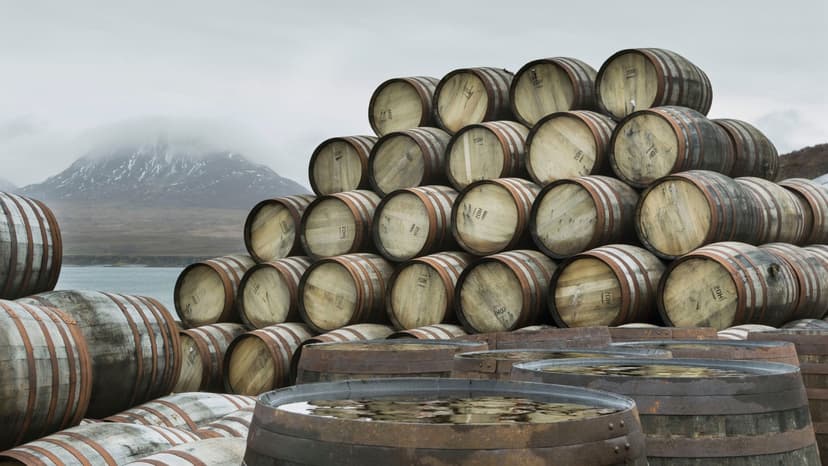
Few spirits carry the weight of their homeland as faithfully as Scotch whisky. Every bottle is, by law and by tradition, a product of Scotland, distilled and matured on Scottish soil for a minimum of three years in oak casks. But the legal definition only begins to describe what Scotch actually is. It is a spirit shaped by peat bogs and river valleys, by coastal winds and Highland granite, by centuries of craft refined across more than 140 working distilleries spread from the southernmost Lowlands to the outermost islands. The range of flavor it encompasses is remarkable for a spirit made from such simple raw materials: malted barley, water, and yeast.
What makes Scotch particularly rewarding to study is that its diversity is not random. It follows the geography of Scotland itself, organized across five recognized whisky regions whose distinct landscapes, climates, and traditions produce spirits of genuinely different character. Understanding those regions and the production decisions that amplify or restrain what the land provides transforms Scotch from an intimidating wall of unfamiliar labels into a map that can actually be navigated.
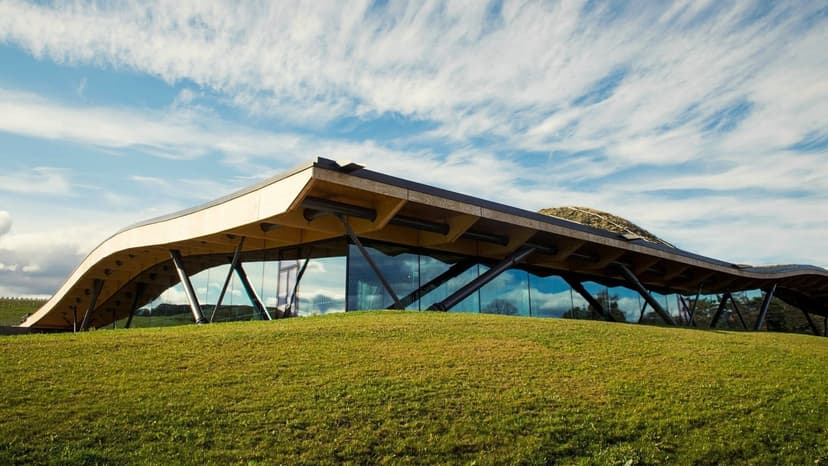
More than 130 distilleries operate across Scotland today, each producing distinctive styles influenced by local tradition and geography.
How Grain Becomes Spirit
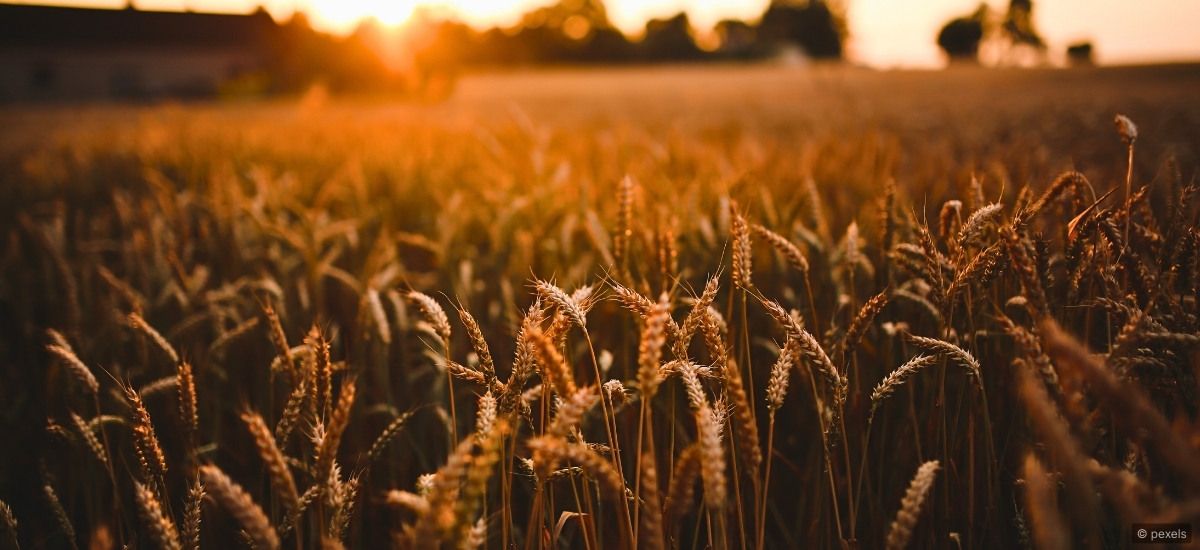
The production of Scotch whisky is elemental in its ingredients and intricate in its execution. It begins with barley, which is soaked in water and allowed to germinate, a process called malting that activates enzymes to convert the grain's starches into fermentable sugars. The germination is halted by drying the barley in a kiln, and it is here that one of Scotch's most defining decisions occurs. If peat is burned during kilning, its smoke permeates the grain and imparts the smoky, earthy, sometimes medicinal character that many drinkers associate with the spirit. The degree of peat influence varies enormously, from none at all in many Speyside and Lowland malts to the heavy intensity of certain Islay expressions.
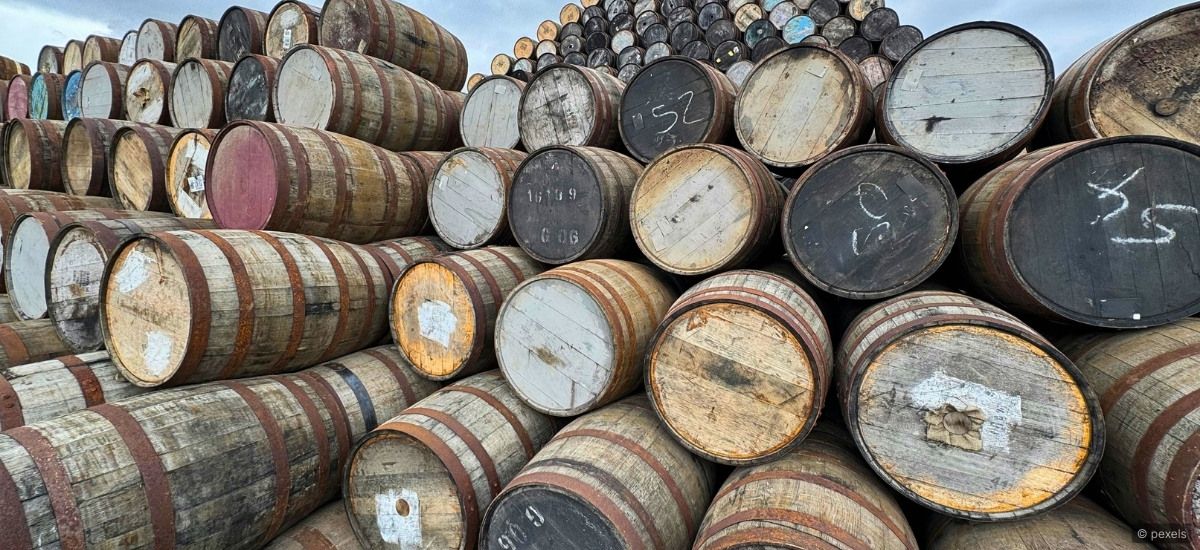
The malted barley is then milled, mixed with hot water in a mash tun, and fermented with yeast to produce a low-alcohol liquid called wash. This wash is distilled, typically twice in copper pot stills for single malt production, though the shape and size of those stills vary between distilleries and profoundly influence the final spirit. Tall, narrow stills produce lighter, more delicate spirits because heavier compounds fall back before reaching the condenser. Shorter, wider stills allow more of those compounds through, yielding richer whisky. After distillation, the clear new-make spirit enters oak casks, where it will spend years absorbing color, flavor, and texture from the wood. The choice of cask, whether former bourbon barrels, sherry butts, or wine casks, adds another decisive layer to the whisky's personality.
Five Regions, Five Conversations
Scotland's five official whisky regions are Speyside, the Highlands, the Lowlands, Islay, and Campbeltown. Each carries a general reputation for style, though exceptions exist within every border. Speyside, nestled around the River Spey in the northeast, is the most densely populated whisky region in the world, home to more than 50 distilleries. Its malts are typically elegant and fruit-forward, offering notes of apple, pear, honey, vanilla, and gentle spice, often with the warm influence of sherry cask maturation. The Highlands, Scotland's largest region, produce an enormous range of styles. Coastal distilleries may deliver briny, maritime character, while inland expressions tend toward heather, citrus, and medium-bodied richness.
The shape of the still can influence flavor, as taller stills often produce lighter, more delicate spirits.
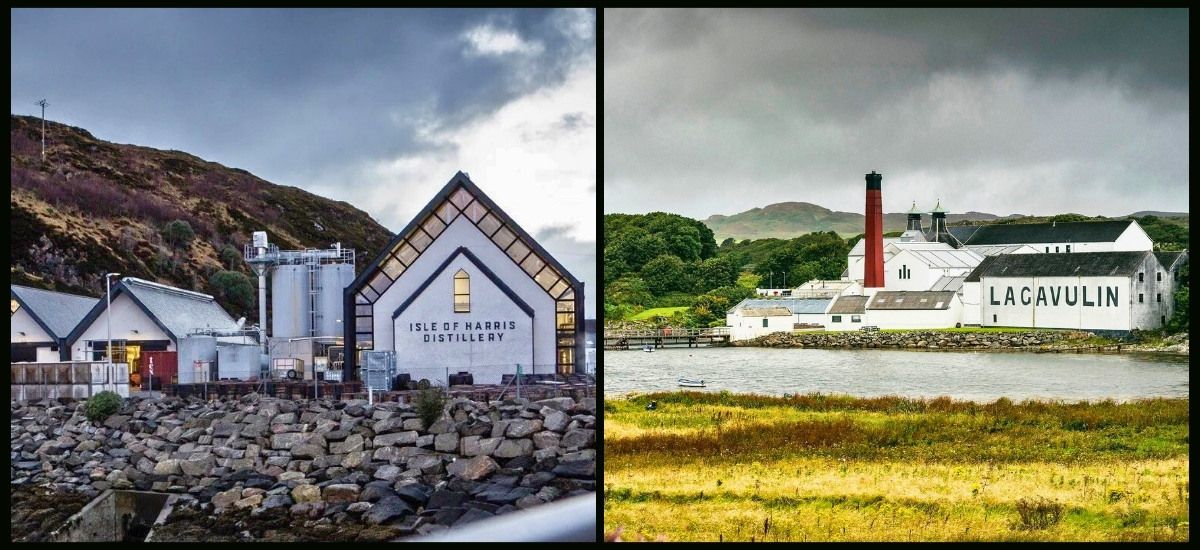
The Lowlands, in Scotland's south, are known for producing lighter, more delicate whiskies with floral, grassy, and citrus qualities, sometimes called the gentlest entry point into single malt. At the opposite end of the spectrum sits Islay, a small island off Scotland's west coast whose name is practically synonymous with peat smoke. Islay malts are bold, often intensely smoky, with notes of brine, seaweed, iodine, and charred earth, though distilleries like Bruichladdich and Bunnahabhain also produce unpeated expressions that complicate the island's reputation. Campbeltown, the smallest region, occupies the remote Kintyre peninsula and produces only a handful of whiskies, but those whiskies are distinctive: full-bodied, slightly briny, with a characteristic oiliness that devoted enthusiasts prize. These regional profiles are starting points rather than rules, but they offer a useful framework for approaching an unfamiliar bottle.
What Arrives in the Glass
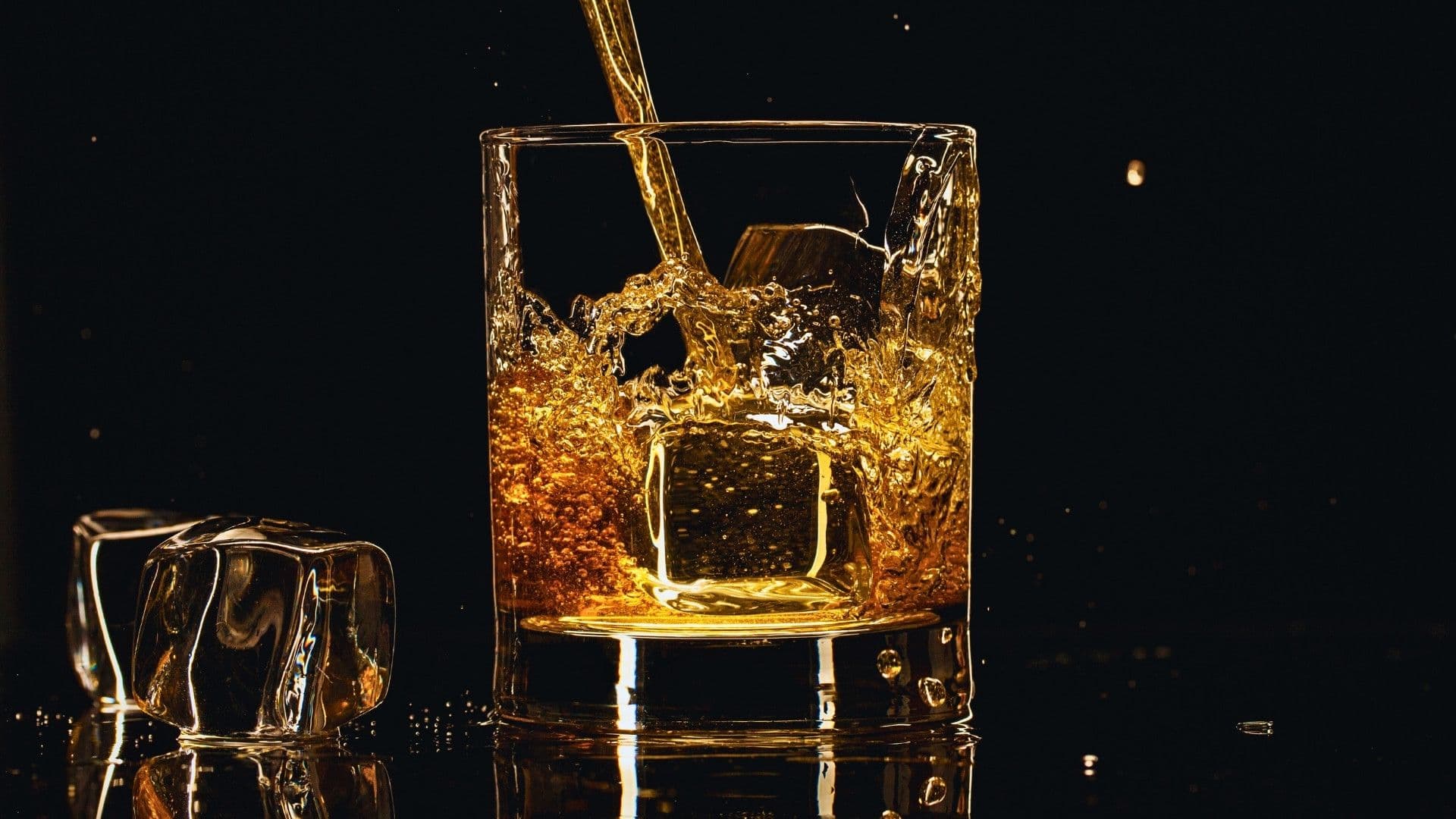
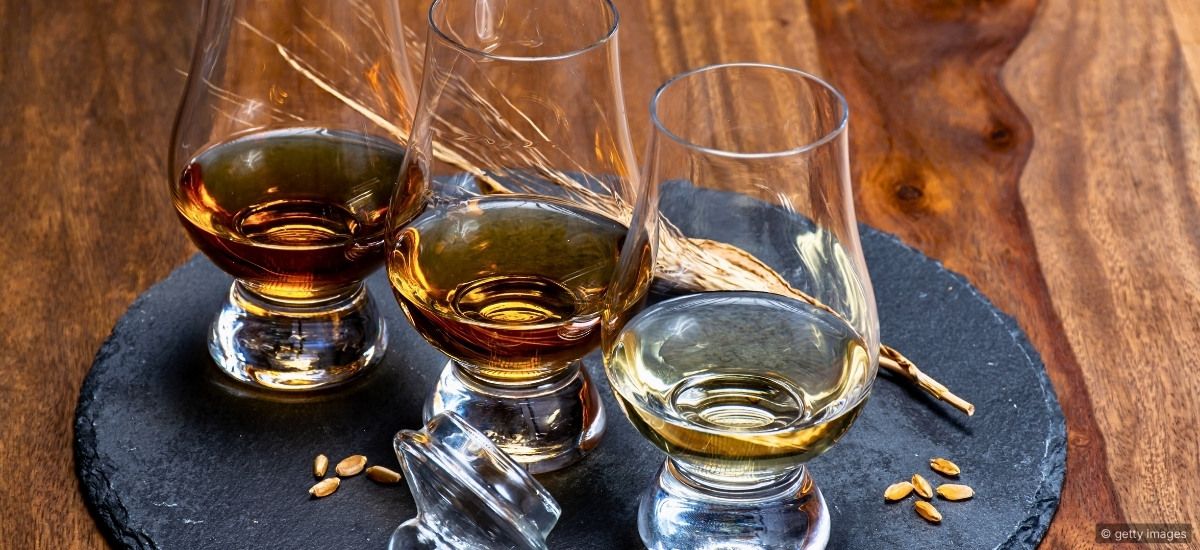
Tasting Scotch with an awareness of its origins turns every pour into a small geography lesson. A Speyside single malt at twelve years might greet the palate with orchard fruit and toffee, finishing clean and gently sweet. A Highland malt from the northern coast could present dried heather and black pepper alongside a faint salinity that hints at the sea. An Islay expression opens an entirely different door, where campfire smoke, ocean spray, and medicinal depth create a sensory experience unlike anything else in the spirits world. Texture varies just as dramatically. Lowland malts tend toward a lighter, almost silky mouthfeel, while Campbeltown whiskies carry a rich oiliness that coats the palate.
Age statements, cask types, and individual distillery character add further dimensions. A whisky aged in ex-bourbon casks will typically show vanilla, coconut, and citrus, while one finished in sherry wood leans toward dried fruit, chocolate, and baking spice. Cask strength bottlings, released without dilution, amplify every quality and reward a few drops of water to open fully. The single malt category receives the most attention, but blended Scotch, which combines malt and grain whiskies from multiple distilleries, represents the vast majority of Scotch sold worldwide and offers its own pleasures of balance and accessibility. Whether exploring single malts region by region or discovering a well-constructed blend, the invitation is the same: pay attention to where the whisky comes from, because Scotch rewards curiosity more generously than almost any other spirit.
The Takeaway
Scotch whisky is, at its heart, a study in how geography and human decision combine to create something irreplaceable. The same grain, processed through the same fundamental steps, produces wildly different spirits depending on whether the barley was dried over peat or clean air, whether the still was tall or squat, whether the cask once held bourbon or oloroso sherry, and whether the warehouse sat beside the ocean or deep in a Highland glen. No other spirit maps its homeland so precisely onto the palate.
For the curious drinker, the path into Scotch does not require expertise or expense. It requires a willingness to taste deliberately and to notice the differences between one glass and the next. Start with a Speyside for its approachability, try a Highland for its range, venture to Islay for its intensity, and let each experience inform the one that follows. Over time, a personal map of preference emerges, shaped not by scores or price tags but by the honest evidence of what resonates. Scotch has been made in Scotland for more than five centuries, and the tradition continues not because of nostalgia but because the land keeps producing spirits that no other place on earth can replicate. That is worth a slow pour and a quiet moment of attention.
Frequently Asked Questions
What makes Scotch whisky different from other whiskies?
Scotch whisky must be produced and matured in Scotland and aged in oak casks for at least three years, giving it a distinct legal and cultural identity.
What grains are used in Scotch production?
Single malt Scotch uses malted barley, while grain whisky can incorporate other grains such as wheat or corn.
Why are copper stills used?
Copper removes unwanted sulfur compounds during distillation, resulting in a smoother and more refined spirit.
How long is Scotch whisky aged?
By law, it must age at least three years, though many premium whiskies age 10, 12, 18, or even 25 years or more.
What gives Scotch its smoky flavor?
Peat smoke used during the drying of malted barley infuses the grain with smoky phenolic compounds.