The Wine Glut Era: Why Supply Is Outpacing Demand Worldwide
Vineyards around the world face an unprecedented imbalance between what they produce and what consumers are willing to drink.
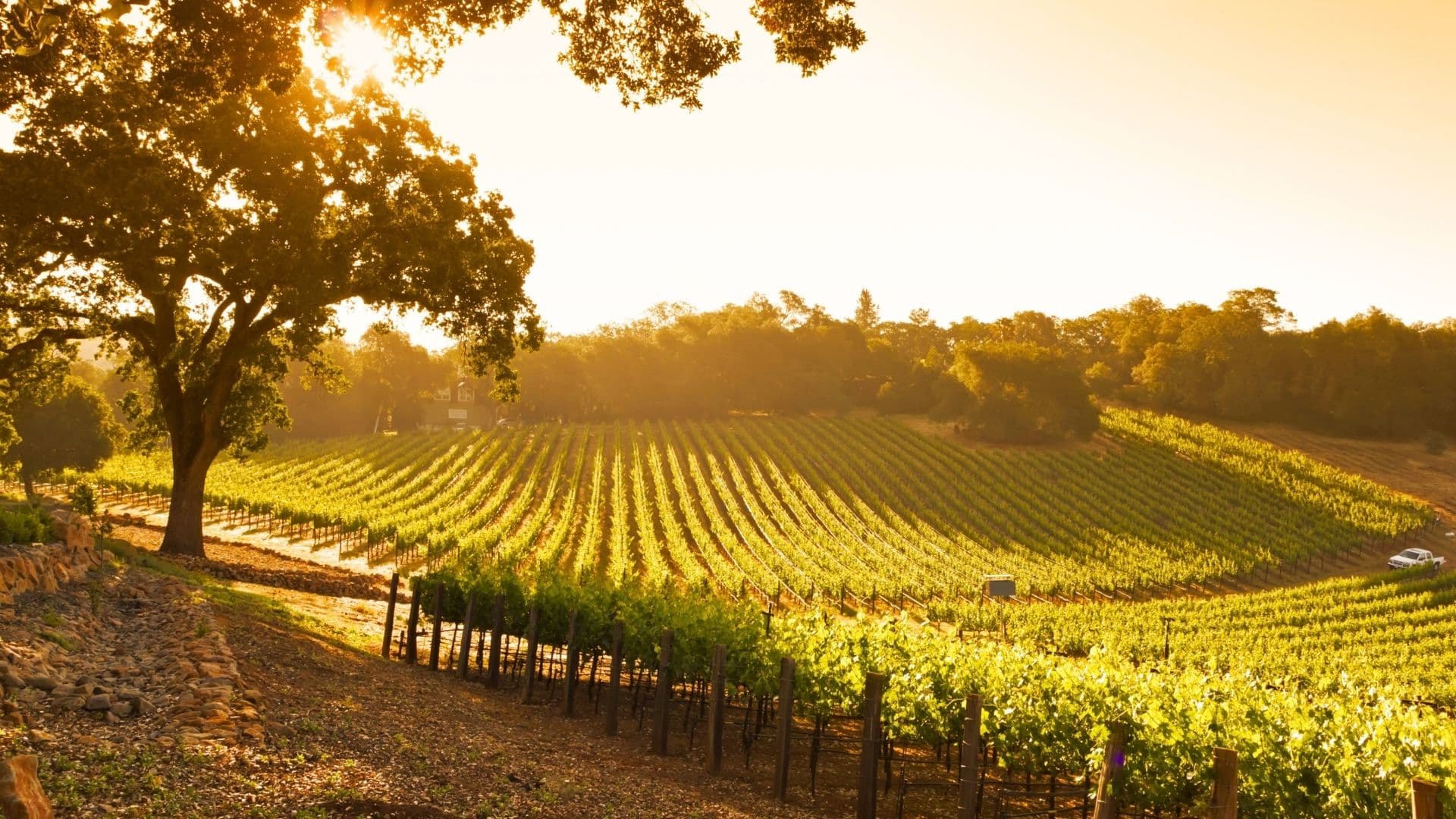
The wine industry operates on cycles measured in years and decades rather than weeks and months. Vines planted today will not produce commercial fruit for several years and may remain productive for generations. This extended timeframe makes wine production particularly vulnerable to miscalculation, as decisions made during periods of optimism can create consequences that persist long after conditions change. The global wine industry now confronts such a reckoning. Production capacity expanded during years of growing demand, with vineyards planted across Europe, the Americas, and the Southern Hemisphere to serve markets that seemed certain to keep expanding. Those markets have not cooperated. Consumption has declined across major drinking nations, leaving producers with cellars full of wine that cannot find buyers at economically viable prices.
The scope of this imbalance extends across hemispheres and appellations, affecting prestigious regions and bulk producers alike. Governments have begun intervening with unprecedented support programs while growers contemplate removing vines their families planted generations ago. Understanding the current crisis requires examining how overproduction and underconsumption have collided to create conditions unlike any the modern wine industry has faced.
Across major wine-producing countries, vineyard plantings and yields continue to outpace consumption, creating a structural surplus rather than a temporary imbalance.
A Structural Surplus Years in the Making
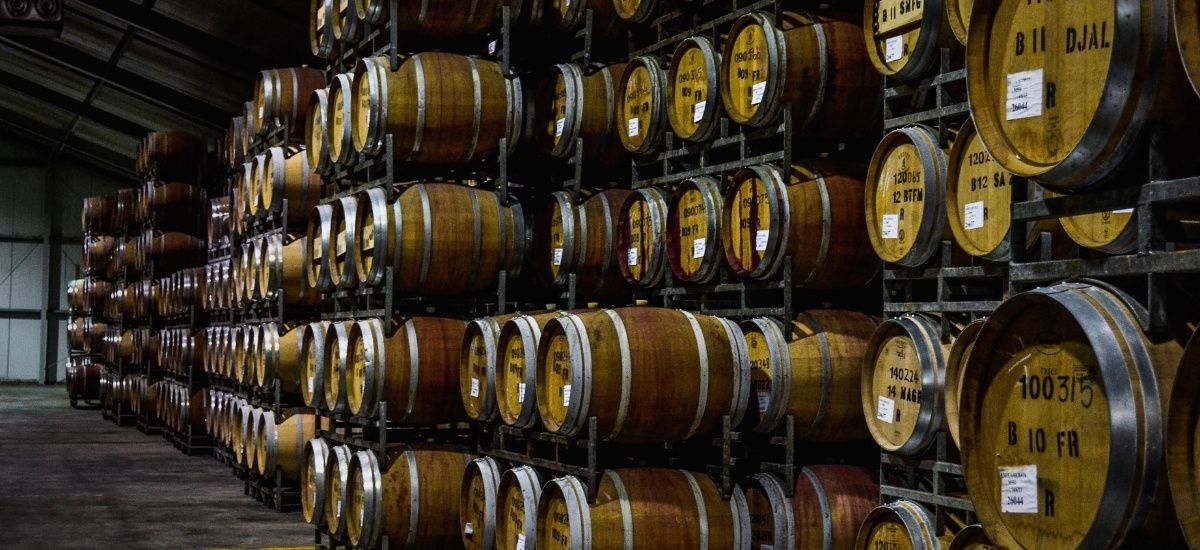
The roots of today's oversupply extend back decades, to periods when wine consumption seemed destined for perpetual growth. Emerging markets in Asia, particularly China, generated enormous optimism that proved largely unfounded as demand plateaued well below projections. Established markets in Europe and North America appeared stable, encouraging continued investment in vineyard expansion and winery capacity. The resulting production infrastructure now generates far more wine than the world wishes to purchase. European Union data suggests the bloc alone holds surplus wine measured in billions of liters, with storage capacity strained and new vintages arriving annually to compound the problem.
American producers face similar dynamics, with California particularly affected by overplanting during the early twenty first century boom. Bulk wine prices have collapsed across major producing regions, falling below the cost of production for many growers. The mathematics have become brutal. Vineyards require substantial ongoing investment in labor, materials, and equipment regardless of what prices the resulting wine commands. When that wine sells for less than production costs, or fails to sell at all, growers face difficult choices about whether to continue operations that generate losses with each passing vintage.
Why the World Is Drinking Less Wine
The supply side crisis compounds through simultaneous demand contraction. Wine consumption has declined in nearly every major market, driven by forces that show no signs of reversal. Younger consumers demonstrate markedly different drinking patterns than previous generations, gravitating toward spirits, ready to drink cocktails, and increasingly, no alcohol at all. Health consciousness has grown substantially, with public messaging about alcohol risks reaching audiences who once considered moderate wine consumption benign or even beneficial. Economic pressures have reduced discretionary spending on beverages perceived as expensive relative to alternatives.
France, historically the world's most devoted wine drinking nation, has experienced particularly dramatic decline. Per capita consumption has fallen by more than half since the 1970s and continues dropping. Similar patterns appear across traditional European wine cultures in Italy, Spain, and Portugal. American consumption, which grew steadily for decades, has also begun contracting as younger demographics fail to adopt wine drinking habits at rates that offset aging consumers. The premiumization trend that sustained industry revenue even as volumes declined has reached apparent limits, with fewer consumers willing or able to pay elevated prices for bottles they purchase less frequently. The demand that producers counted upon when planting vineyards and building production capacity has simply not materialized.
Government Intervention and the Harvest Ahead
Facing economic devastation across wine growing regions, governments have begun implementing support programs of unprecedented scale. France has committed hundreds of millions of euros to crisis distillation, paying producers to convert unsellable wine into industrial alcohol rather than allowing it to flood markets and further depress prices. Additional programs subsidize vine removal, paying growers to uproot productive vineyards permanently and reduce the country's production capacity. Italy and Spain have implemented similar measures, acknowledging that market forces alone cannot resolve imbalances of this magnitude quickly enough to prevent widespread bankruptcies. The European Union has authorized emergency funds beyond existing agricultural support programs, recognizing the crisis as structural rather than cyclical.
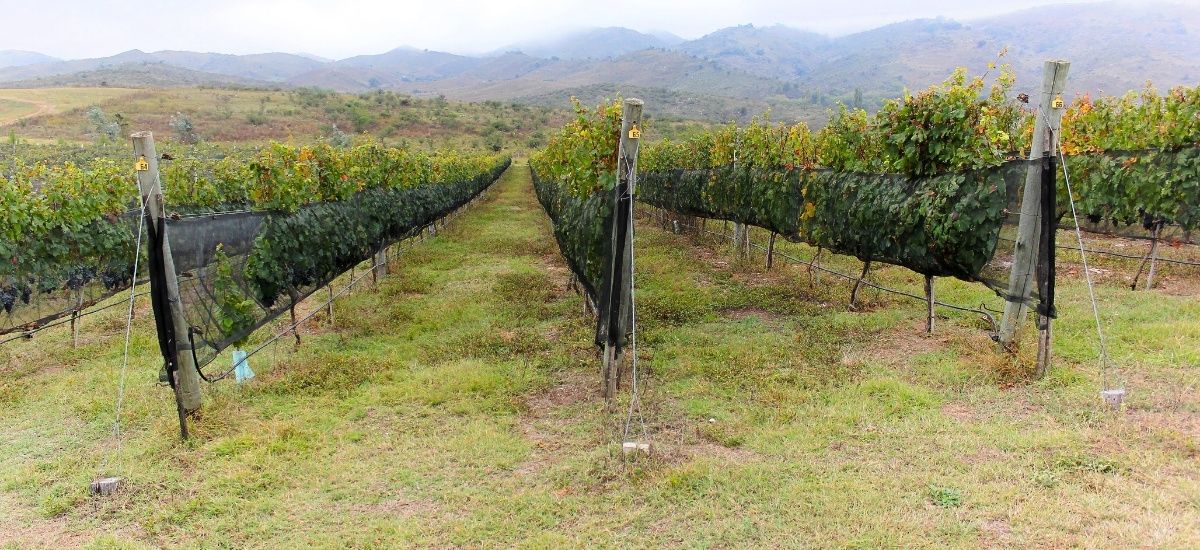
Across the Southern Hemisphere, producers face different but related pressures as harvest season approaches. Australia, Argentina, Chile, and South Africa have all expanded production capacity in recent decades, chasing export markets that have contracted or shifted preferences. These producers now contemplate harvests for which buyers may not exist at any profitable price. Some growers have preemptively reduced yields or abandoned parcels entirely rather than incur harvest costs for grapes without markets. The globalized wine industry that once promised opportunity through international trade now transmits oversupply conditions across borders, ensuring that surplus in one hemisphere affects pricing and demand everywhere.
The Takeaway
The global wine glut represents a structural crisis that will reshape the industry for years to come. Decades of expansion predicated on demand growth that never materialized have created production capacity far exceeding what current and foreseeable consumption can absorb. The imbalance spans hemispheres, affecting prestigious appellations and bulk producing regions alike with collapsing prices and unsellable inventory. Government intervention may prevent immediate economic collapse in wine dependent regions, but cannot resolve the fundamental mismatch between supply and demand. The painful process of contraction has already begun, with vine removal programs, abandoned harvests, and producer bankruptcies indicating the severity of adjustment required. What emerges from this period of correction will likely be a smaller, more concentrated industry.
Marginal producers lacking financial reserves or strategic positioning will exit, while those who survive will operate in a market where competition for declining consumer attention intensifies. The romance of wine, its connections to place and tradition and craft, cannot insulate the industry from economic reality. Producing excellent wine matters, but it matters only if someone wishes to purchase it. The current crisis demonstrates with painful clarity that the world has more capacity to make wine than desire to drink it, a reality that will define the industry's trajectory for the foreseeable future.