The Immortal Wines of Madeira
A volcanic island in the Atlantic produces some of the world's most resilient and historically significant wines, yet many enthusiasts have never tasted them.
Among the great fortified wines of the world, Madeira occupies a singular position. Born on a rugged Portuguese island rising from the Atlantic Ocean some four hundred miles off the coast of Morocco, these wines possess an almost supernatural ability to endure. While most wines measure their lifespan in years or perhaps decades, Madeira laughs at the passage of time.
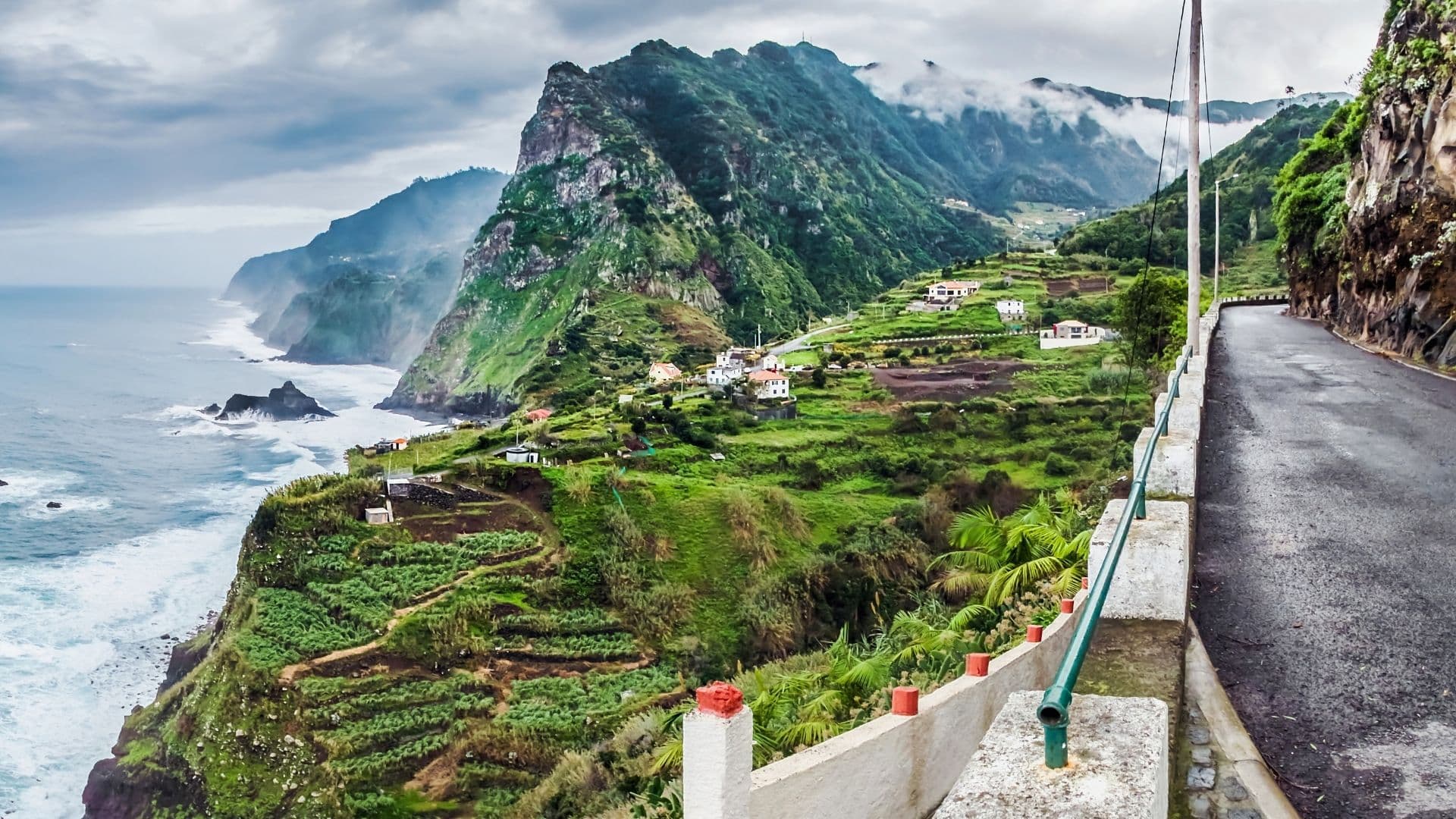
Bottles from the eighteenth century remain not merely drinkable but vibrant, their flavors preserved as if frozen in amber. This remarkable longevity stems from a winemaking process unlike any other, one developed through historical accident and perfected through centuries of refinement. The island itself, a dramatic landscape of terraced vineyards clinging to volcanic slopes, provides the foundation for these extraordinary wines. Understanding Madeira requires appreciating both the place and the process, for the two remain inseparable. What emerges from this remote speck of land in the ocean represents one of wine's most fascinating and underappreciated treasures.
The island of Madeira produces wines ranging from bone-dry to lusciously sweet, all anchored by naturally high acidity.
Where Fire Meets the Sea
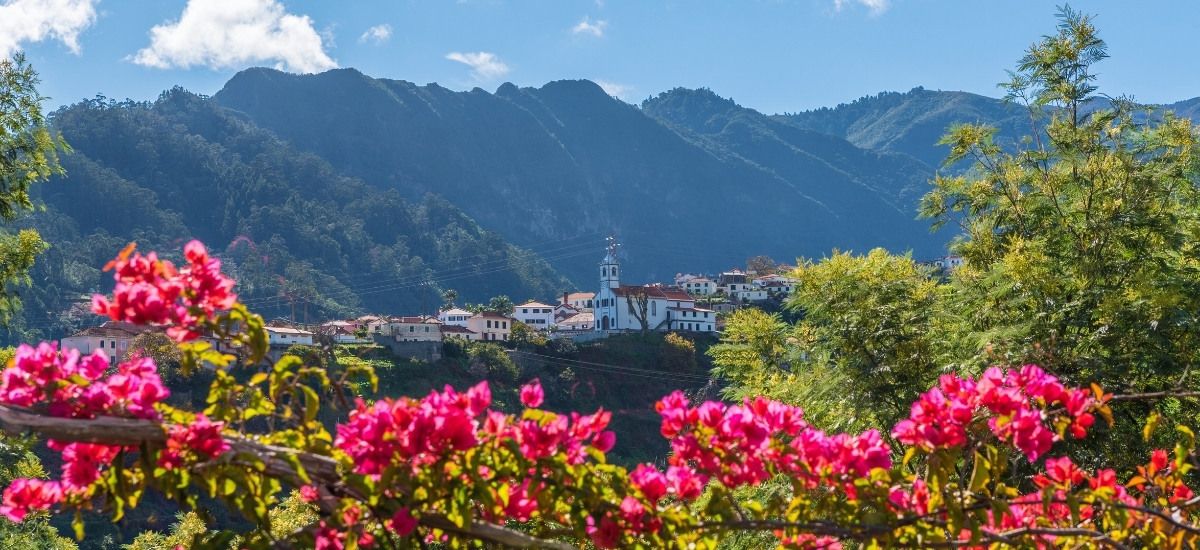
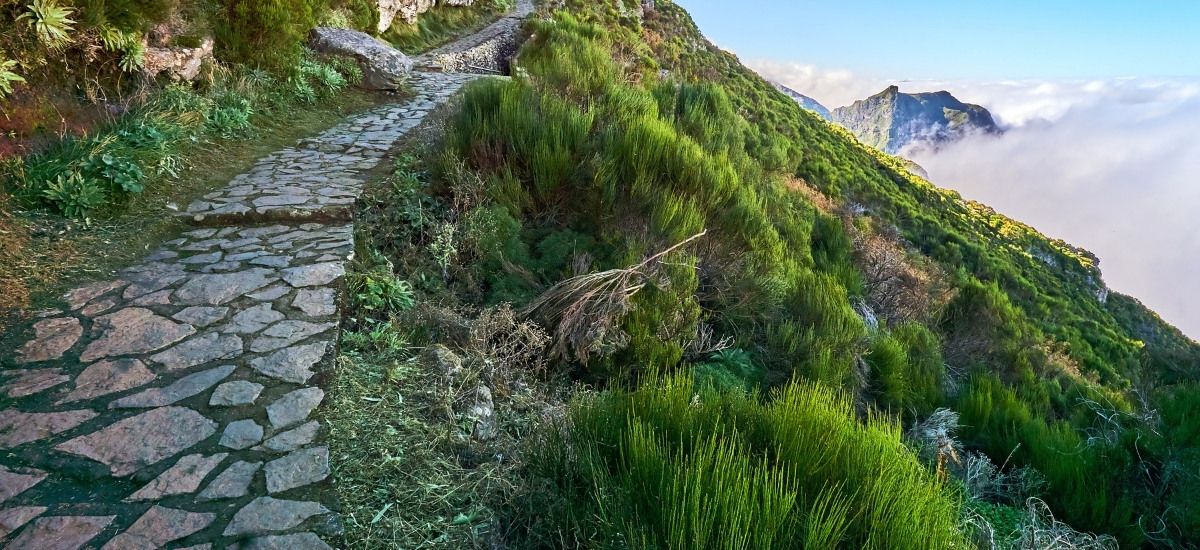
The island of Madeira belongs to Portugal, though it sits far from the mainland in the Atlantic Ocean, closer to Africa than to Lisbon. Portuguese sailors discovered this uninhabited volcanic outcrop in 1419, finding dense forests that would give the island its name, as madeira means wood in Portuguese. The landscape defies conventional viticulture at nearly every turn. Volcanic peaks rise steeply from the ocean to heights exceeding six thousand feet, leaving almost no flat land suitable for farming. Early settlers carved narrow terraces called poios into the mountainsides, creating tiny plots of cultivatable earth held in place by stone walls. These terraces, some barely wide enough for a single row of vines, still define the island's vineyards today.
The climate proves equally distinctive, with the northern slopes receiving substantial rainfall while the southern exposures bask in Mediterranean warmth. Irrigation channels called levadas, some dating to the fifteenth century, distribute water throughout the island. This combination of volcanic soil, dramatic elevation changes, and oceanic influence creates growing conditions found nowhere else on earth. The vines that thrive here produce grapes of intense acidity, a characteristic that would prove essential to the wines' legendary durability.
How Heat and Time Create Something Extraordinary
Madeira belongs to the family of fortified wines, meaning grape spirit is added during production to raise the alcohol content. However, the similarities to sherry or port largely end there. What distinguishes Madeira is a deliberate exposure to heat, a process called estufagem. This technique evolved from a fortunate discovery during the Age of Exploration. Ships carrying Madeira wine crossed tropical waters on long voyages to the Americas and the East Indies. When barrels returned unsold to the island after months in sweltering cargo holds, merchants found that the wine had actually improved. The heat had transformed it into something richer and more complex.
Modern producers replicate this effect through two primary methods. The estufagem process heats wine in large tanks to temperatures around 45 degrees Celsius for several months. Finer wines undergo canteiro aging, spending years or decades in warm lofts called estufas, where sunlight naturally heats the casks. This controlled oxidation and heating essentially renders Madeira indestructible. Once opened, a bottle remains stable for months or even years. The combination of high acidity, fortification, and heat treatment creates a wine that has already survived conditions that would devastate any other. This durability made Madeira the preferred wine for toasting American independence, as the Founding Fathers famously used it to celebrate the signing of the Declaration of Independence.
The Four Noble Grapes and Their Expressions
Four grape varieties define the hierarchy of Madeira styles, each producing wines of distinctly different character. Sercial grows at the highest elevations, where cooler temperatures preserve bracing acidity. These wines finish completely dry, offering notes of citrus, almond, and sea salt. Verdelho occupies slightly warmer sites, producing medium dry wines with greater body and flavors suggesting honey and smoke. Bual thrives in warmer positions, yielding medium sweet wines with rich textures and notes of caramel, orange peel, and spice.
Malmsey, known locally as Malvasia, prefers the warmest sites and produces the sweetest style, dense with flavors of coffee, chocolate, and dried fruit. Beyond these noble varieties, Tinta Negra accounts for much of the island's production, used primarily in younger blended wines and age dated bottlings. Understanding the style spectrum from dry Sercial through sweet Malmsey provides the essential framework for navigating Madeira. The age designations offer additional guidance. Wines labeled three years represent the entry point, while five, ten, fifteen, and twenty year old bottlings indicate progressively longer cask aging. Colheita or harvest dated wines and rare vintage Madeiras represent the pinnacle of the category, sometimes spending a century or more in wood before bottling.
The Takeaway
Madeira represents wine in its most indestructible and historically resonant form. From a volcanic island that Portuguese sailors stumbled upon six centuries ago comes a wine perfected through accident and preserved through tradition. The heat that would destroy most wines instead transforms these, creating flavors of extraordinary depth and complexity. The four noble grape varieties provide a logical framework for exploration, from the piercing dryness of Sercial to the unctuous sweetness of Malmsey.
For those beginning their journey into fortified wines, Madeira offers several distinct advantages. Its remarkable stability means an opened bottle remains fresh for extended periods, eliminating the pressure to finish it quickly. The range of styles from bone dry to richly sweet ensures something for every palate and occasion. Perhaps most compelling is the sense of drinking living history. This is the wine that crossed oceans with explorers, that filled the glasses of American revolutionaries, and that continues to age gracefully in island cellars where bottles from the Napoleonic era still await their moment. To taste Madeira is to taste survival itself, liquid proof that some things only improve with time and heat and the patient accumulation of years.