Riding the Humboldt Current
The collision of Antarctic waters, Pacific winds, and towering mountains has shaped Chile into one of the wine world's most geographically blessed and diverse landscapes.
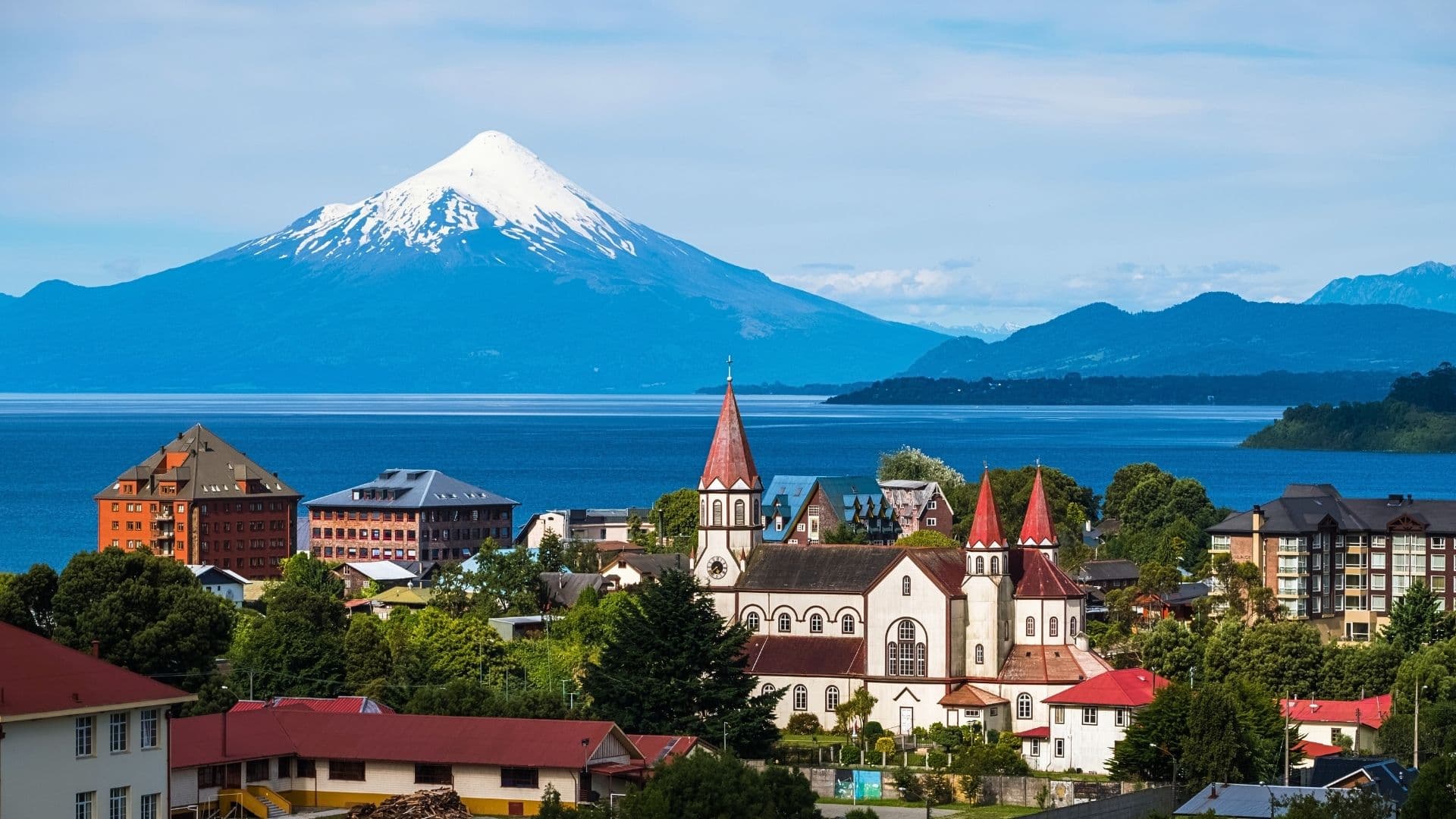
Chile defies conventional wine geography. Stretched impossibly thin along the southwestern edge of South America, this ribbon of a nation measures over 2,600 miles from north to south yet averages barely 110 miles in width. Within this slender corridor, bounded by the Pacific Ocean to the west and the Andes Mountains to the east, conditions conspire to create viticultural diversity that few countries can match. The key to understanding Chilean wine lies not in the vineyards themselves but in the forces that shape their climate.
Cold ocean currents sweeping up from Antarctic waters collide with the continent, moderating temperatures and generating fog banks that drift inland through coastal valleys. Meanwhile, the Andes rise abruptly to the east, capturing precipitation, creating dramatic elevation changes, and channeling cold mountain air down into vineyard zones each evening. This interplay of oceanic and alpine influences produces growing conditions ranging from bracingly cool to generously warm, sometimes within a single appellation. The result is a wine industry of remarkable range still discovering its own potential.
Flowing north from Antarctica along Chile’s coast, the Humboldt Current moderates temperatures, extends growing seasons, and preserves acidity, enabling freshness even in vineyards planted at lower latitudes than comparable Old World regions.
Where Cold Waters Meet Warm Latitudes
The Humboldt Current represents one of the most significant oceanographic features affecting viticulture anywhere in the world. Originating in the frigid waters surrounding Antarctica, this powerful current flows northward along the entire Chilean coastline, carrying cold, nutrient rich water from polar regions toward the equator. The temperature differential between this oceanic conveyor and the warm continental interior generates consistent afternoon winds and frequent morning fog, particularly along the coastal ranges and valleys with direct Pacific exposure. These cooling influences prove essential to Chilean wine quality. Without the Humboldt Current, Chile's wine regions would experience temperatures far too warm for premium grape production at their latitudes. Santiago sits at roughly the same parallel as Buenos Aires, yet the Chilean capital enjoys significantly cooler summers due to maritime influence.
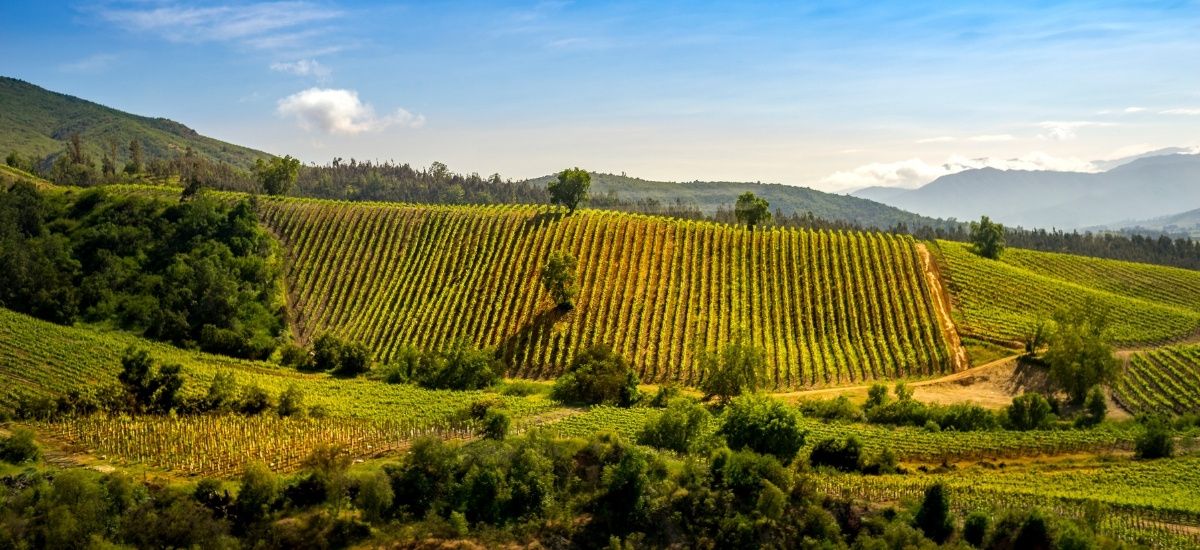
Vineyards planted within reach of coastal breezes and fog benefit from extended growing seasons that allow grapes to ripen gradually while retaining the acidity essential to balanced wines. The cooling effect diminishes with distance from the ocean, creating predictable climatic gradations as valleys extend inland. Winemakers have learned to exploit these gradations, matching grape varieties to specific thermal zones within single valleys. Coastal sites favor varieties that thrive in cool conditions while inland positions suit grapes requiring more warmth and sunshine.
The Andes Factor and the Valleys Between
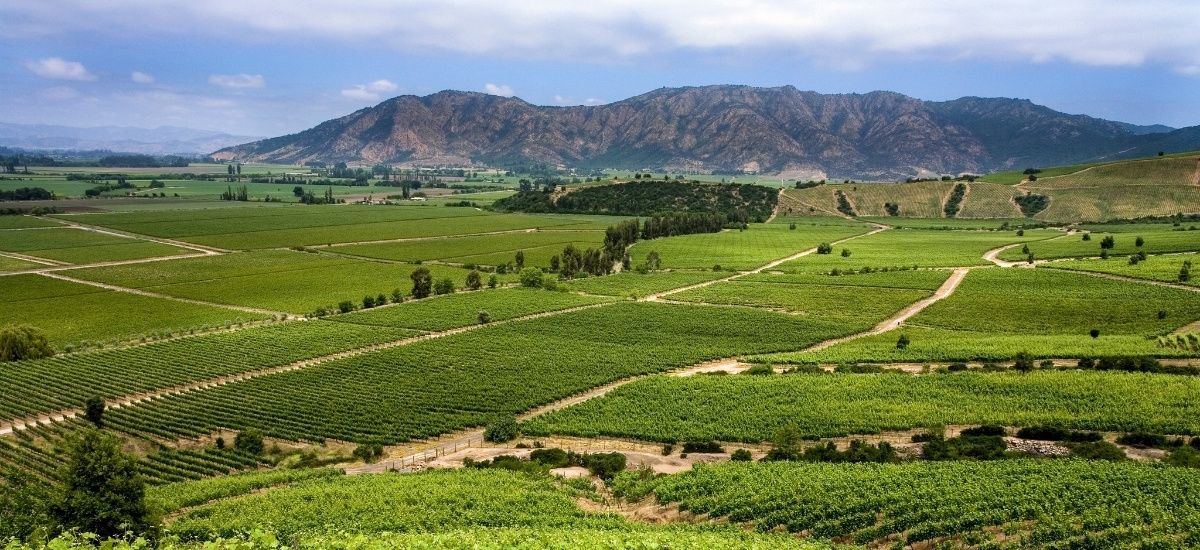
While the Pacific moderates temperatures from the west, the Andes Mountains exert equally profound influence from the east. This cordillera, the longest continental mountain range on earth, rises with startling abruptness from the Chilean lowlands, creating a nearly impenetrable barrier that reaches heights exceeding 22,000 feet. The viticultural implications extend far beyond simple topography. The Andes capture moisture from weather systems approaching from the Pacific, creating rain shadow conditions that ensure dry, sunny growing seasons throughout Chile's wine country. This aridity virtually eliminates fungal disease pressure and allows growers to farm with minimal chemical intervention. Many Chilean vineyards approach organic or biodynamic practices simply because the climate renders aggressive treatments unnecessary.
Equally important, the mountains generate significant diurnal temperature variation. As daylight fades, cold air drains from high elevations down through the valleys, dropping nighttime temperatures dramatically even after warm afternoons. This thermal cycling preserves acidity in ripening grapes while allowing full flavor development during sunny days. The valleys cutting through Chile's coastal ranges and connecting the ocean to the Andean foothills channel both marine and alpine influences, creating complex mesoclimates that vary with elevation, orientation, and proximity to either moderating force. The result is a patchwork of distinct growing environments compressed into remarkably compact geography.
A Wine Industry Finding Its Voice
Chilean viticulture benefits from one additional geographical gift that shaped its development. The combination of ocean, mountains, and northern desert created natural barriers that isolated Chile from phylloxera, the root louse that devastated European and North American vineyards in the nineteenth century. Chilean vines grow on their own roots rather than grafted rootstock, a distinction shared by few wine regions globally. This phylloxera free status attracted early investment from European families fleeing agricultural catastrophe, establishing winemaking traditions that continue through present generations. The modern industry has evolved substantially from its origins producing bulk wine for domestic consumption. International investment and expertise arrived in the 1980s and 1990s, elevating quality and introducing modern techniques.
Today Chile occupies an interesting position in the global wine hierarchy. The country produces excellent wines across multiple price points, with particular success in varieties including Cabernet Sauvignon, Carmenère, Sauvignon Blanc, and Pinot Noir. Yet Chile has arguably not yet achieved the prestige its geographical endowments might warrant. Critics suggest the industry spent years prioritizing volume over distinctiveness, though this pattern has shifted markedly as producers increasingly emphasize site specific wines from unique terroirs. Emerging regions in the far north and south continue revealing new viticultural possibilities as adventurous growers push into previously unplanted territory.
The Takeaway
Chile possesses natural advantages that most wine producing nations can only envy. The Humboldt Current provides cooling influence that enables quality grape production at latitudes that would otherwise prove too warm. The Andes contribute drainage, altitude options, and the dramatic temperature swings that preserve freshness in ripening fruit. The narrow corridor between ocean and mountains compresses remarkable climatic diversity into manageable distances, allowing a single country to produce everything from crisp coastal whites to powerful mountain reds. Whether Chile ultimately achieves the recognition these advantages might suggest remains an open question, dependent on continued investment in quality, the emergence of clearly defined regional identities, and the patience required to build prestige in a competitive global market.
The raw materials for greatness are undeniably present. The geological forces that shaped this landscape over millions of years have created conditions ideally suited to viticulture, a gift waiting to be fully realized. Those who explore Chilean wines today encounter a category in active evolution, offering genuine quality and diversity at prices that reflect incomplete reputation rather than actual merit. The current, both oceanic and metaphorical, flows toward an interesting future.