The Digital Pour
From vineyard sensors to algorithmic inventory systems, technology is quietly reshaping every aspect of how beverages reach the glass.
The beverage industry has never been particularly associated with technological innovation. Wine, beer, and spirits carry romantic associations with tradition, craft, and human expertise passed through generations. Yet beneath this artisanal surface, a profound transformation is underway.
Technology has begun to infiltrate every link in the chain connecting producer to consumer, from the agricultural decisions made in vineyards and distilleries to the marketing messages that appear on smartphone screens. Some of these changes arrive with fanfare and venture capital announcements. Others slip in quietly, gradually becoming so embedded in operations that their absence becomes unimaginable.
The cumulative effect promises to alter not just how beverages are made and sold but who makes and sells them, which products succeed, and how consumers discover and purchase what they drink. Understanding these shifts matters for anyone who cares about the future of wine, spirits, beer, and the culture surrounding them. The glass in hand may look the same, but the journey it took to arrive there grows more digital by the day.
E-commerce, CRM platforms, and digital allocation tools are compressing traditional tiers, making connection—not physical proximity—the defining factor in market access.
The Invisible Revolution in Supply Chains
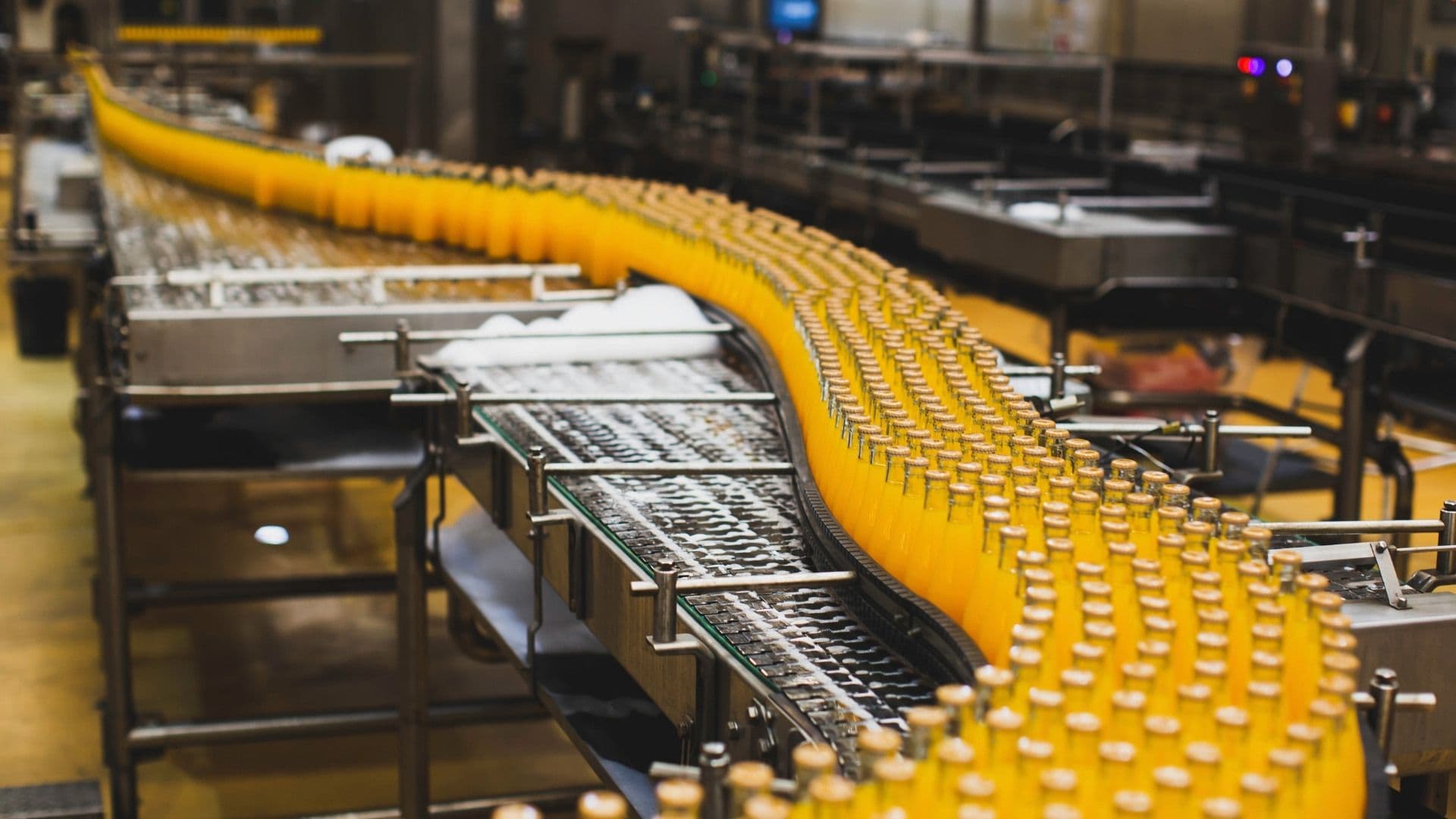
Behind every bottle on a retail shelf or restaurant list lies a complex network of production, storage, transportation, and distribution. Technology has begun to optimize this network in ways that would have seemed fantastical a generation ago. Predictive analytics now inform purchasing decisions, analyzing historical sales data, weather patterns, economic indicators, and social media sentiment to forecast demand with increasing accuracy. Inventory management systems track every case and bottle in real time, reducing both costly overstock situations and revenue destroying stockouts. Radio frequency identification tags and blockchain verification systems address authenticity concerns, particularly important for premium wines and spirits vulnerable to counterfeiting.
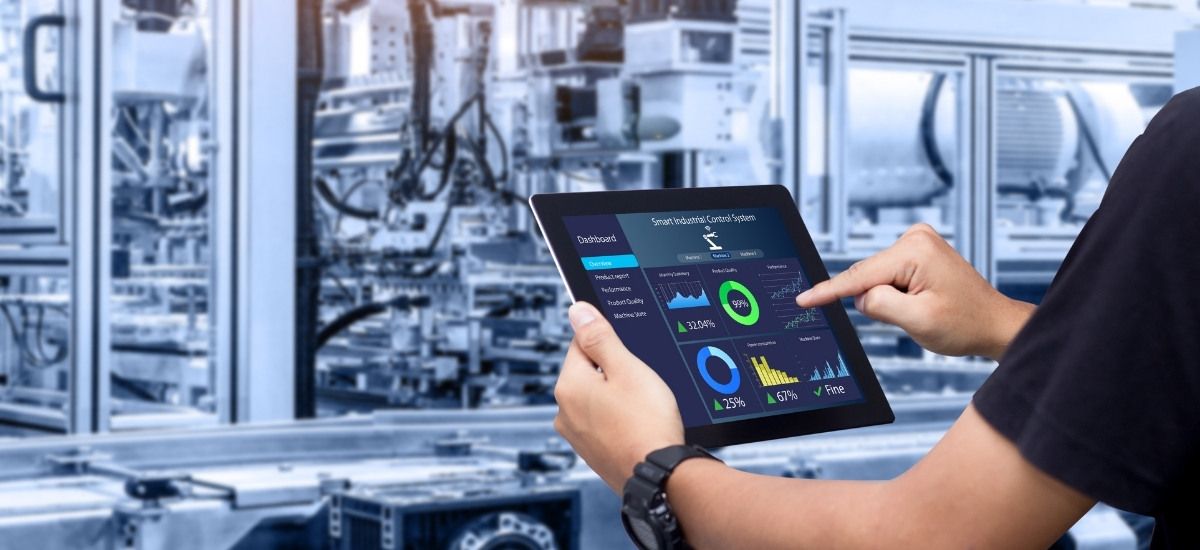
Climate controlled logistics have become more precise, with sensors monitoring temperature and humidity throughout transportation to ensure product integrity. For producers, technology extends backward into cultivation itself. Vineyard management software integrates satellite imagery, soil sensors, and weather stations to guide irrigation, pest management, and harvest timing decisions. Distilleries employ sophisticated monitoring systems that maintain consistency across batches while reducing waste and energy consumption. The romance of winemaking and distilling persists, but it increasingly coexists with data dashboards and algorithmic recommendations that inform every decision from planting to packaging.
What Automation Means for Employment
Perhaps no aspect of technological change generates more anxiety than its implications for human workers. The beverage industry confronts this question across multiple fronts. Automated bottling lines have long been standard in large scale production, but robotics now extend into warehousing, order fulfillment, and even certain aspects of agricultural work. Cocktail making machines and self pour systems have appeared in airports, stadiums, and casual dining environments, raising questions about the future of bartending as a profession. Yet the picture proves more nuanced than simple displacement narratives suggest. Technology has also created entirely new categories of employment that did not exist a decade ago. Digital marketing specialists, e-commerce managers, data analysts, and customer experience designers now populate beverage company payrolls.
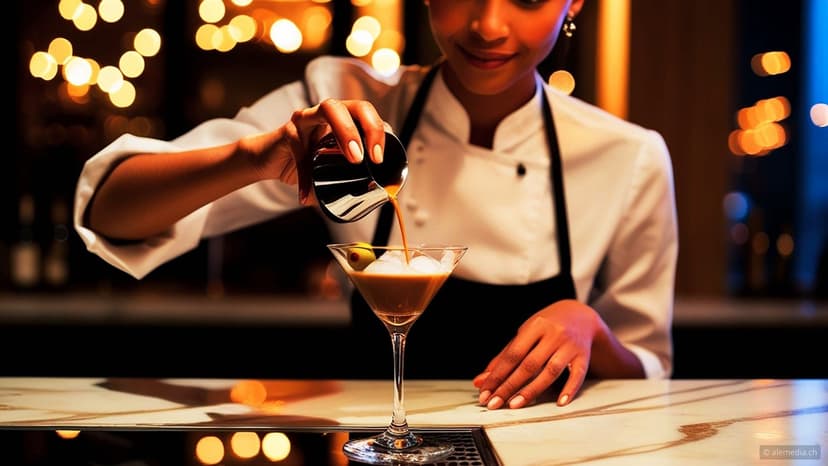
The hospitality sector has discovered that automation works best for routine, high volume transactions while human expertise becomes more valuable for premium experiences requiring knowledge, judgment, and genuine connection. Sommeliers and craft bartenders find their skills increasingly prized precisely because they offer what algorithms cannot. The emerging model appears to involve technology handling transactional elements efficiently while elevating the importance of hospitality professionals who provide education, curation, and personalized service in contexts where such qualities command premium pricing.
Marketing in the Age of Algorithms
The transformation of beverage marketing may prove the most visible and immediate technological shift for consumers. Traditional advertising channels have not disappeared, but they increasingly share budgets with digital strategies of remarkable sophistication. Social media platforms enable targeted messaging that reaches specific demographic and psychographic segments with unprecedented precision.
A craft distillery can now place its message directly before consumers who have demonstrated interest in artisanal spirits, reside in specific geographic markets, and match desired income and lifestyle profiles. Influencer partnerships have emerged as major marketing channels, with beverage brands cultivating relationships with content creators whose audiences align with target demographics. User generated content, reviews, and ratings now shape purchasing decisions more powerfully than traditional expert assessments for many consumers. E-commerce platforms and direct to consumer shipping, where legally permitted, have opened new sales channels while generating valuable data about customer preferences and behaviors. Artificial intelligence tools analyze this data to personalize recommendations, optimize pricing, and predict which new products might succeed.
The democratization of marketing technology has lowered barriers to entry for small producers while simultaneously advantaging larger players with resources to deploy sophisticated digital strategies at scale.
Producers and distributors that fail to adopt modern logistics, analytics, and digital marketing tools increasingly struggle with inefficiency, declining relevance, and loss of shelf space to more agile competitors.
The Takeaway
Technology's integration into the beverage industry represents neither utopian progress nor dystopian disruption but rather a complex reshaping of familiar practices and relationships. Supply chains grow more efficient and transparent, though this efficiency sometimes concentrates power among those with capital to invest in sophisticated systems.
Employment evolves rather than simply contracts, with routine tasks increasingly automated while premium human expertise gains value. Marketing becomes simultaneously more targeted and more cluttered, easier to enter but harder to master. For consumers, these changes arrive mostly invisibly, manifested in better product availability, more personalized recommendations, and new ways to discover and purchase beverages. For those who produce and sell, adaptation becomes essential. The fundamental appeal of wine, spirits, and beer remains rooted in sensory pleasure, social connection, and cultural meaning.
Technology cannot replicate these essentially human dimensions. What it can do is handle the logistical and analytical work that supports bringing beverages to market, freeing human attention for the creative and relational aspects that no algorithm can perform. The most successful participants in the evolving beverage landscape will likely be those who embrace technological tools while preserving the craft, knowledge, and hospitality that give the industry its soul.