The Sweetest Thread in the Story of Spirits
Honey has been part of the human relationship with alcohol longer than any grain, grape, or fruit. Its influence stretches from the oldest fermented beverages ever discovered to some of the most celebrated cocktails being poured today.
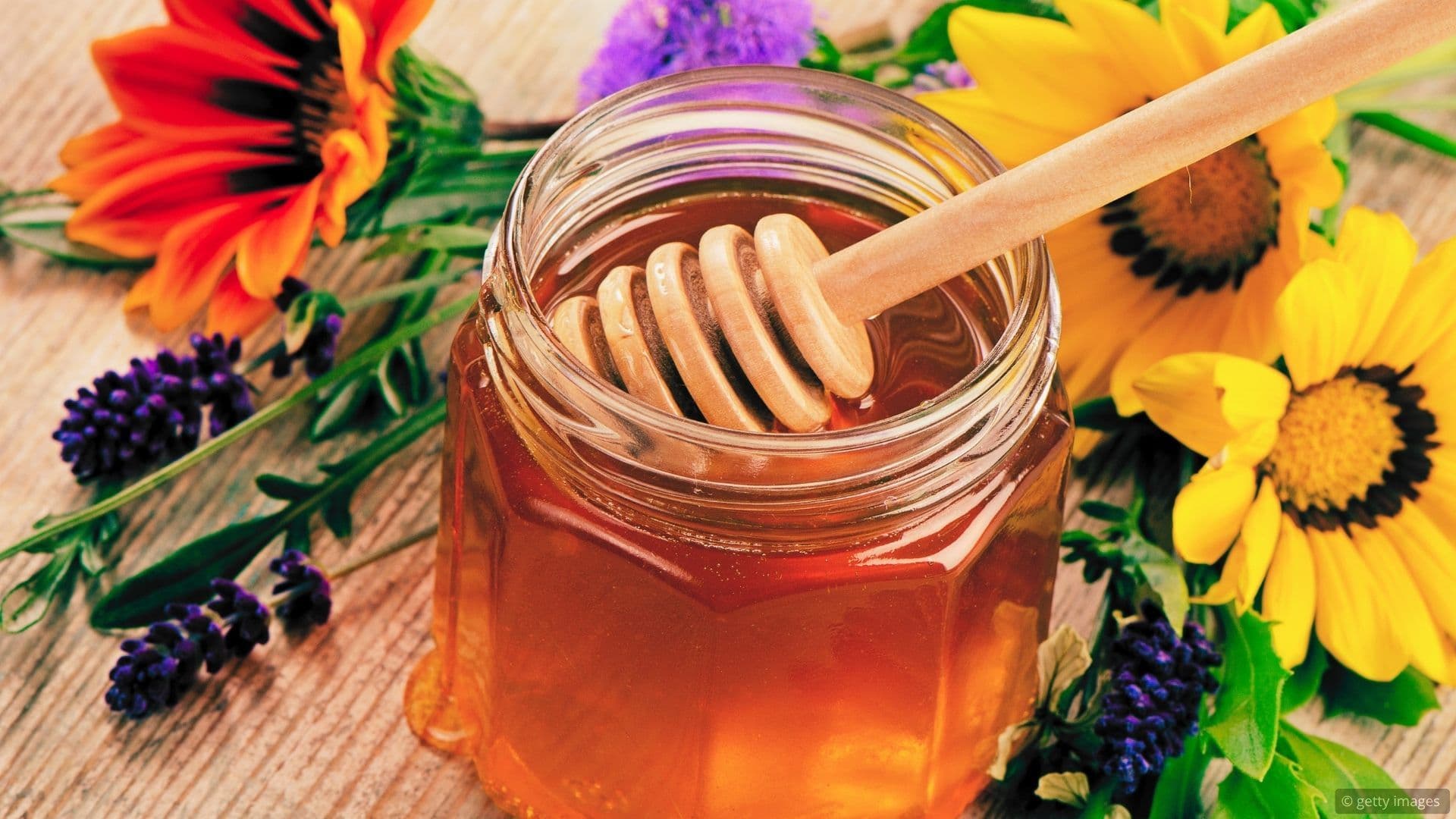
Long before anyone cultivated barley or pressed grapes, honey was fermenting itself. Rainwater collected in a hollow tree, mixed with wild honey and ambient yeast, would have produced a crude but intoxicating liquid without any human intervention at all. Archaeological evidence from China dates pottery residues consistent with fermented honey beverages to approximately 7000 BCE, making mead arguably the oldest alcoholic drink in recorded history. From there, honey wound its way through Greek mythology, Norse sagas, medieval monasteries, and the folk traditions of nearly every culture that kept bees. It sweetened the drinks of pharaohs and peasants alike.
What makes honey's story particularly worth examining is that it never really left. While mead faded from mainstream consumption as wine and beer became more efficient to produce, honey quietly persisted as an ingredient in liqueurs, cordials, and folk preparations across Europe and Asia. Today it anchors some of the most important classic and modern cocktails in the professional repertoire. Honey is one of the clearest examples of how a locally available resource becomes so deeply embedded in a region's drinking culture that it shapes traditions lasting centuries.
Honey’s importance in alcohol is rooted in both necessity and geography. In regions where sugarcane or beet sugar was unavailable, honey provided a reliable source of fermentable sugars and flavor.
Mead and the Beginning of Everything
Mead, at its most elemental, is fermented honey and water. That simplicity is deceptive. Depending on how it is made, mead can be bone dry or dessert sweet, still or sparkling, light enough for casual drinking or rich enough to cellar for years. Some versions incorporate fruit, others are spiced with herbs and warming botanicals, and still others blend honey with grain to create something closer to ale. The drink appeared independently across nearly every culture that kept bees. Vikings drank it from ceremonial horns. Greek and Roman writers praised it as the drink of the gods. In Ethiopia, a spiced honey wine remains a living tradition served in dedicated drinking houses to this day. In Poland, honey-based meads were so culturally important that they were graded by concentration, with the finest requiring years of aging before they were considered ready to drink.
Mead's decline was economic rather than qualitative. As beer and wine became cheaper to produce at scale, honey-based fermentation retreated to the margins. Monasteries, where beekeeping remained central to candle production, preserved mead-making traditions through the centuries when commercial interest waned. The 21st century has brought a genuine renaissance, with more than 850 commercial meaderies now operating worldwide. But mead's greatest contribution may be the precedent it established: that honey could transform any base liquid into something worth savoring, a principle that would later produce an entire family of liqueurs.
From Heather Hills to the Polish Hearth
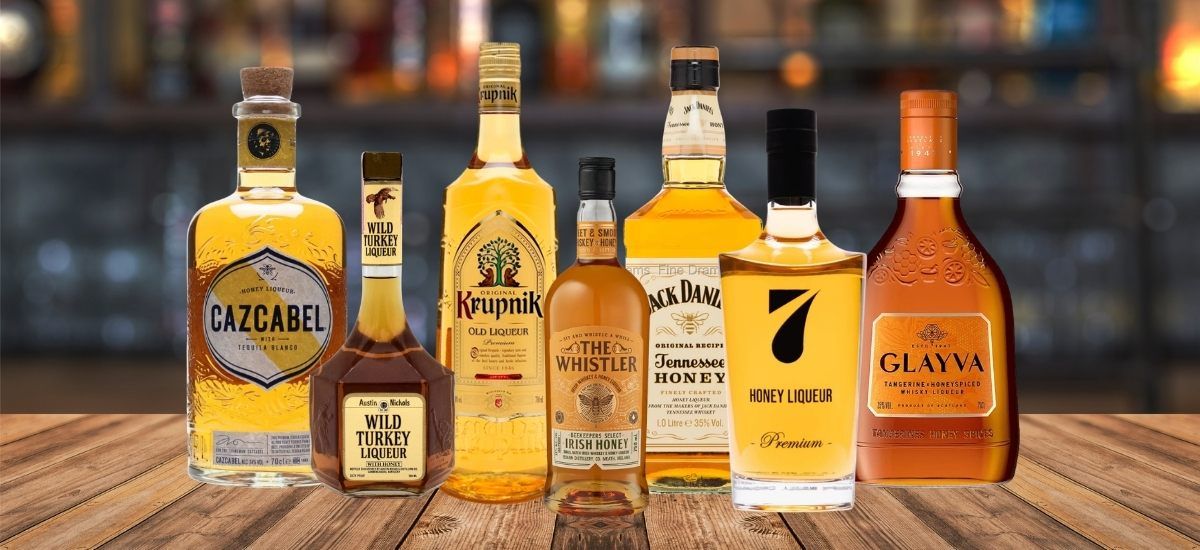
The tradition of combining honey with distilled spirits produced some of the most distinctive regional liqueurs in Europe. In Scotland, Drambuie blends aged Scotch whisky with heather honey, herbs, and spices. Its origin story traces to 1746, when Bonnie Prince Charlie allegedly gave the recipe to the MacKinnon clan on the Isle of Skye after the Battle of Culloden. Whether the legend is precise matters less than what it reveals: honey and whisky were already being combined in the Highlands as domestic tradition long before anyone bottled the result commercially. Glayva, another Scottish whisky liqueur created in 1947, takes a brighter approach, blending honey with tangerines, cinnamon, and almonds. Its name derives from the Gaelic phrase meaning very good, reportedly the first words spoken upon tasting the initial batch.
In Poland and Lithuania, Krupnik occupies a similar cultural position. A potent combination of grain spirit and honey infused with as many as 50 different herbs and spices, Krupnik has been a fixture of Eastern European hospitality for centuries. Noble households once measured a hostess's skill partly by the quality of her Krupnik. In Germany, Barenjager traces its lineage to 15th-century East Prussian honey liqueurs originally used to bait bear traps, hence the name bear hunter. Ireland offers Irish Mist, blending whiskey with honey and herbs. Each of these liqueurs tells the same story from a different geography: people worked with what the land provided, and honey was almost always available. The pattern extends beyond honey itself. Chambord drew on the black raspberries of France's Loire Valley. Limoncello captured the lemons of the Amalfi Coast. Sloe gin preserved the blackthorn berries of the English hedgerow. Across Europe, the local pantry became the local bar.
Honey Behind the Bar
Honey's role in modern cocktail culture extends well beyond liqueurs. As a sweetener, honey behaves differently than simple syrup in ways that meaningfully affect a finished drink. It contributes body, viscosity, and a floral complexity that cane sugar cannot replicate, and its flavor varies dramatically depending on the source: clover honey is mild and round, buckwheat is dark and assertive, wildflower sits somewhere between. Bartenders typically dilute honey with equal parts warm water to create honey syrup, which integrates more readily into cold drinks than raw honey.
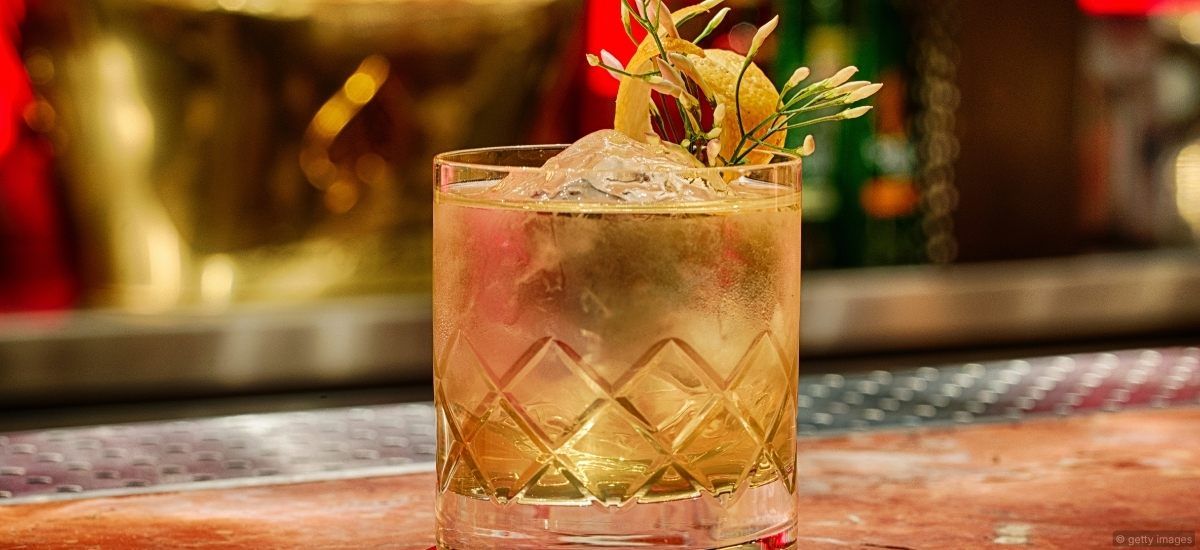
The Bee's Knees, a Prohibition-era cocktail combining gin, lemon juice, and honey syrup, was originally designed to mask the harshness of bathtub spirits, but its balance of bright citrus and floral sweetness has made it a genuine classic. The Gold Rush, created at New York's Milk and Honey bar in the early 2000s, swaps gin for bourbon, producing a richer variation that helped spark a broader revival of honey in craft cocktail programs. The Penicillin, developed at the same bar by Sam Ross in 2005, layers blended Scotch with honey-ginger syrup and a float of peated whisky, creating what many consider one of the most important modern classics. The Rusty Nail pairs Scotch with Drambuie over ice, letting the honey liqueur soften the whisky without burying it. In each case, honey serves not as a novelty but as a structural component that shapes the drink's texture and depth.
Honey’s role in alcoholic beverages is both foundational and enduring. It represents a time when production was dictated by local resources and natural processes. While modern techniques have expanded the possibilities of alcohol, honey remains a connection to its origins.
The Takeaway
Honey's presence in the world of alcoholic beverages is not a footnote. It is a continuous thread connecting the earliest fermented drinks known to humanity with some of the most respected cocktails being served today. From mead to Krupnik to the Penicillin, honey has demonstrated a remarkable ability to adapt to whatever base spirit, tradition, or cultural context it encounters, always contributing sweetness, complexity, and a sense of place that few other ingredients can match.
The broader lesson is worth noting. Honey is just one example of how local natural resources have shaped regional drinking cultures across centuries. Wherever people found fruit, grain, herbs, or honey, they found ways to ferment, distill, and infuse those ingredients into beverages that became expressions of identity and hospitality. The liqueurs and cocktails that emerged from this impulse are not accidents. They are the logical result of human ingenuity meeting the generosity of a particular landscape. The next time honey appears in a glass, whether as a syrup in a shaker or as an ancient residue in a Scottish liqueur, it is worth considering just how long that ingredient has been doing this work, and how much of the world's drinking culture it has quietly helped to build.
Frequently Asked Questions
What is mead and why is it important?
Mead is an alcoholic beverage made by fermenting honey with water, and sometimes fruits or spices. It is considered one of the oldest alcoholic drinks in human history.
Why was honey used in early alcohol production?
Honey was widely available and naturally fermentable, making it an ideal sweetener and sugar source before refined sugar became common.
How does honey influence the flavor of alcoholic beverages?
Honey adds floral, herbal, or earthy notes depending on its origin, contributing both sweetness and complexity to the final product.
Is honey still used in modern spirits and liqueurs?
Yes, honey is used in various liqueurs and craft spirits, often to add natural sweetness and regional character.
How did geography impact honey-based alcohol traditions?
Regions without access to sugarcane relied more heavily on honey, leading to distinct local styles of fermented and infused beverages.