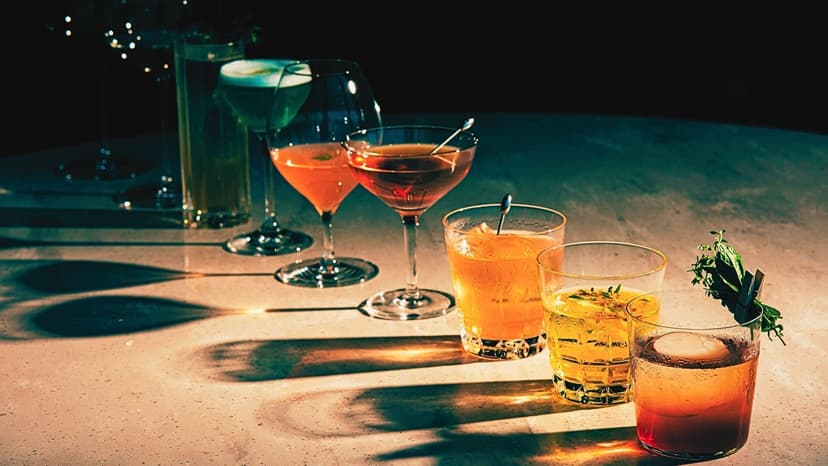
Coffee has Always been the World's Social Center
Long before the cocktail hour, an entire civilization built its public life around a small cup of something dark and stimulating. Today the rest of the world is rediscovering what that culture knew all along.
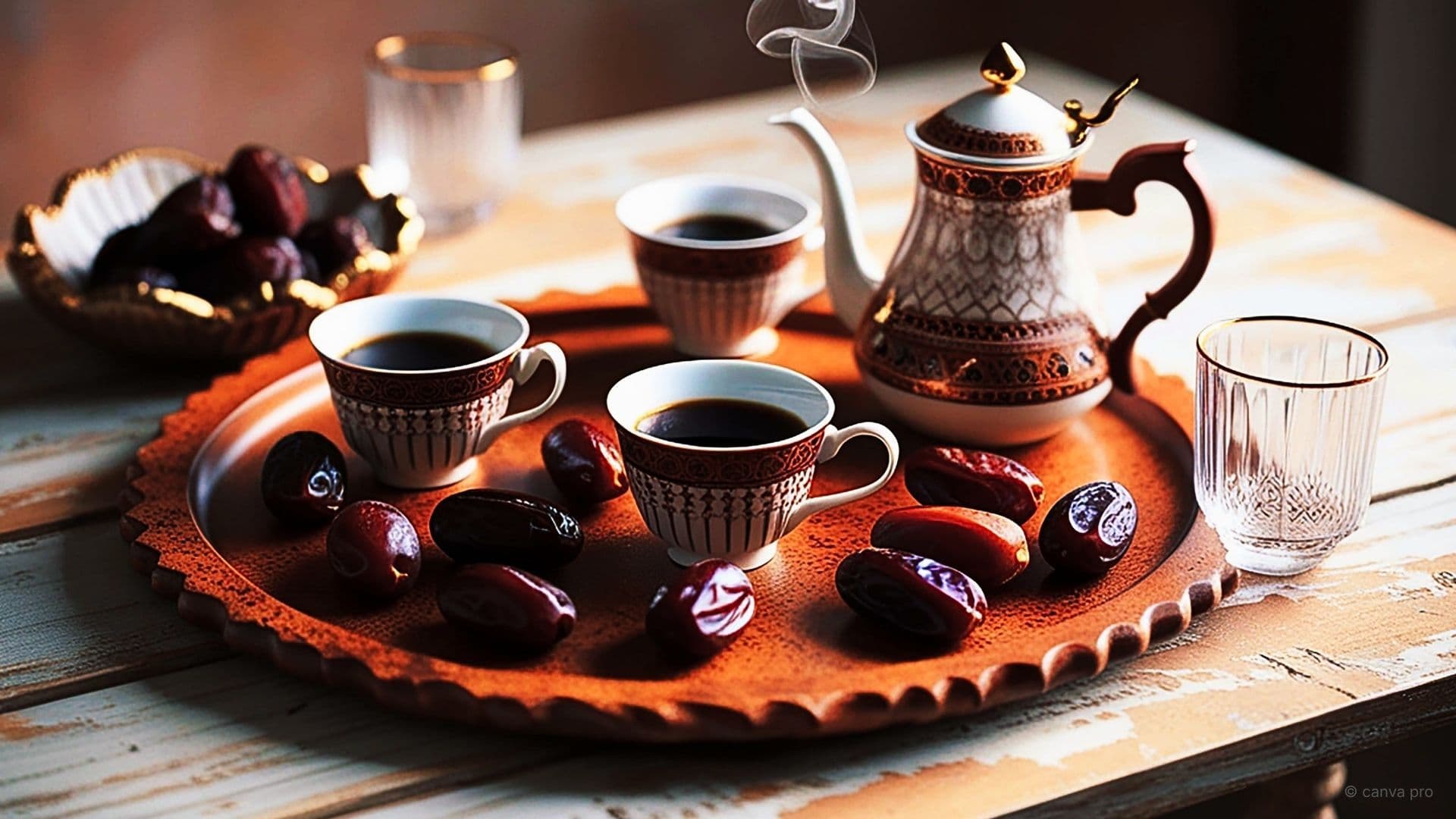
There is a quiet assumption embedded in much of Western social life that meaningful evenings require alcohol. The drink loosens the room, the theory goes, and conversation follows. Yet for centuries, across a vast stretch of the world, the social center of gravity was not the tavern but the coffeehouse, and the catalyst was not wine but a cup of qahwa. In the cities of the Middle East, coffee was the thing that gathered people, that fueled argument and poetry and commerce deep into the night.
That model is no longer a historical curiosity. As younger generations across the globe drink less and seek connection that does not depend on intoxication, the coffeehouse is reasserting itself as the natural place to meet. What looks like a brand-new trend, the rise of the café as an evening destination, is in fact one of the oldest social technologies humanity has, returning to prominence after a long detour through the bar.
Born in Yemen, Perfected in Istanbul
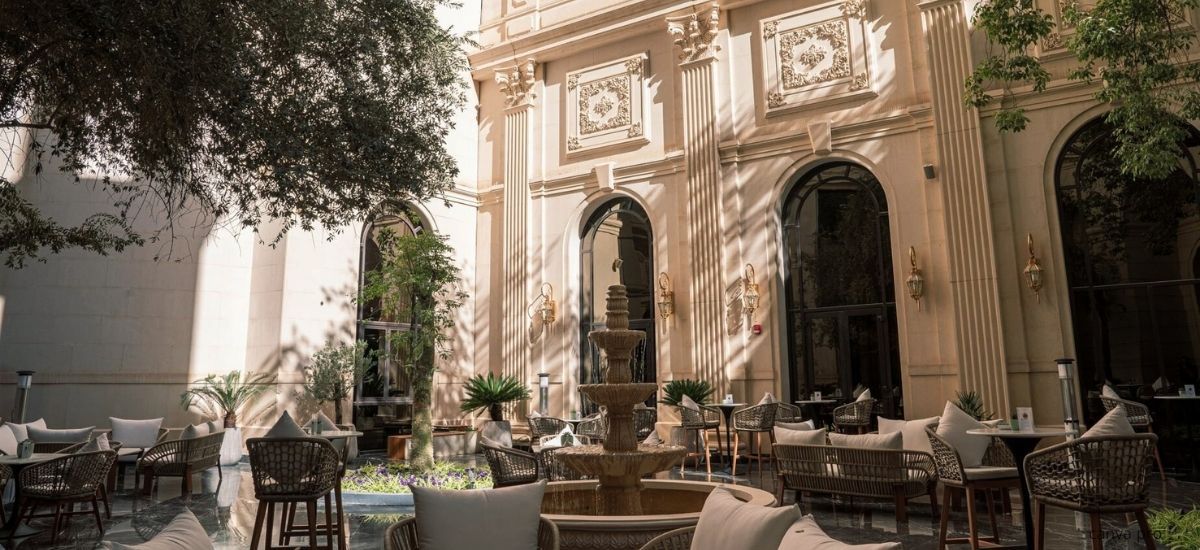
The story begins in the highlands of Yemen, where coffee was first brewed as a hot beverage sometime in the fifteenth century, drunk by Sufi mystics to sustain long nights of prayer. The port of Mocha gave the world both a name and a trade route, and from there coffee traveled north through the Arabian Peninsula and into the heart of the Ottoman Empire. By the mid-sixteenth century, Istanbul had its first documented coffeehouses, and within a generation they had become indispensable to urban life.
These were not simply places to drink. The qahveh khaneh functioned as the public square, a venue where merchants, scholars, poets, and travelers met on unusually equal footing and the rigid lines of social rank softened. People came to hear the news, watch performances, play chess, and debate politics. They were nicknamed the schools of the wise, and the description was earned. Crucially, coffee rose to this central role in a cultural context where wine was largely forbidden, which meant the stimulating cup, rather than the intoxicating one, became the engine of social and intellectual life. The coffeehouse was the original third place, neither home nor work, and it shaped public culture in ways that would later echo across Europe.
The Old Model Suddenly Feels New
Walk through Riyadh or Jeddah today and you encounter a coffee scene that is both ancient and startlingly contemporary. Saudi Arabia is now the largest branded coffee shop market in the Middle East, accounting for nearly half of all outlets in the region, with the market projected to swell past five thousand locations within a few years. With well over half the population under the age of thirty, the café has become the default setting for socializing, studying, and conducting business alike
What is striking is how this generation treats coffee. The traditional gahwa, scented with cardamom and poured as the cornerstone of hospitality, still anchors weddings and family gatherings. Alongside it, a sophisticated specialty scene has exploded, where single-origin beans and meticulous brewing methods are pursued as both art form and lifestyle statement. Surveys suggest a large share of younger Saudi consumers will gladly pay a premium for specialty coffee, treating the cup as a marker of taste and a form of social currency rather than mere refreshment. The café here is aspirational, experiential, and deeply social, an evening destination in a culture that never needed alcohol to make the night worthwhile. The ancient relationship to coffee did not fade. It modernized.
The Global Echo: Daylife Replaces Nightlife
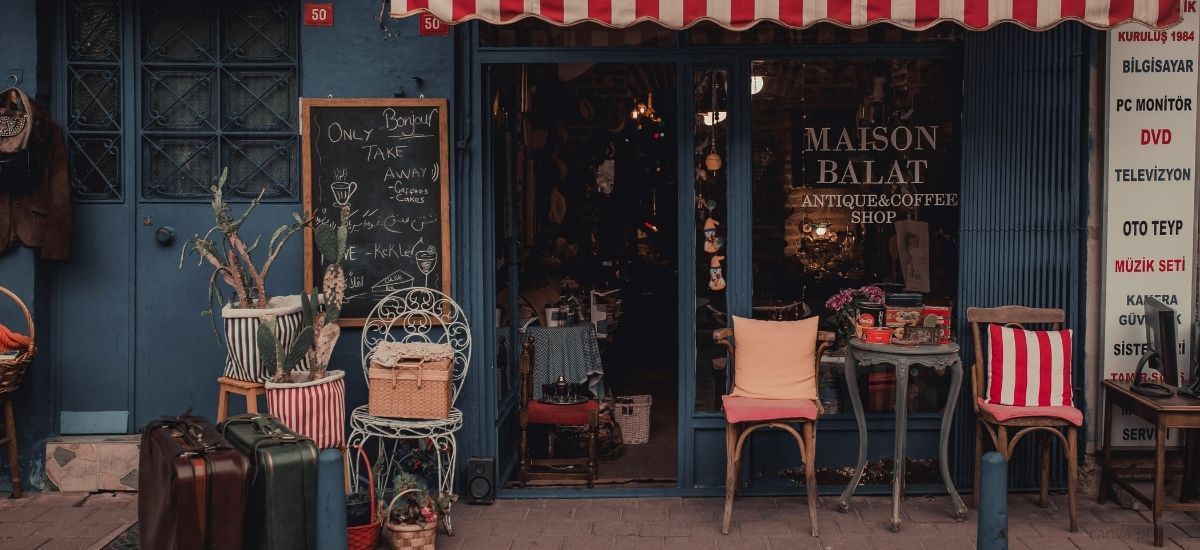
This is no longer a regional phenomenon. Across cities far from the Arabian Peninsula, the same instinct is surfacing among young people who are drinking less and questioning the old equation between fun and alcohol. The clearest signal is the coffee rave, a daytime, alcohol-optional gathering that pairs serious coffee with live music in cafés, museums, and unexpected spaces from Hong Kong to Toronto to Dubai. The early start and early finish let people connect with genuine energy and still wake clear-headed the next morning.
The drivers are practical as much as philosophical. A night centered on coffee costs a fraction of one built on cocktails, an enormous advantage for a generation squeezed by the price of going out. Surveys across markets show younger adults going out less after dark, citing cost, safety, and a simple loss of interest in the old club model. Into that gap steps the café, offering the connection and atmosphere people still crave without the hangover or the expense. What the West is now branding as soft clubbing and daylife is, at bottom, a return to the format the Middle East invented half a millennium ago. The novelty is mostly a matter of geography catching up with history.
Coffeehouse culture represents a hospitality model centered on conversation, community, and shared public space rather than alcohol consumption.
The Takeaway
The current enthusiasm for coffee as a social centerpiece is often presented as an invention of the wellness era, a clever response to changing health attitudes. That framing is not wrong, but it misses the deeper truth. The model is genuinely ancient, refined over centuries in a culture that placed the stimulating cup, not the intoxicating glass, at the heart of public life. What we are watching is not the creation of something new but the rediscovery of something old, dusted off and given a soundtrack.
For anyone paying attention to how people gather, this carries a useful lesson. The desire for a third place, a setting for conversation and community that sits outside the home and the workplace, is permanent and powerful, and it does not require alcohol to be satisfied. The Middle Eastern coffeehouse proved that point five hundred years ago and is proving it again now, leading a global shift rather than following one. As the world's social habits continue to evolve, the small dark cup that once filled the schools of the wise is reclaiming its place at the center of the room. The future of going out, it turns out, may look a great deal like its past.
Frequently Asked Questions
Why did coffeehouses become important in the Middle East?
Coffeehouses provided a welcoming public space where people could gather, exchange ideas, conduct business, and socialize without the presence of alcohol.
When did coffeehouse culture begin?
Coffeehouses emerged in the Middle East during the 15th and 16th centuries and quickly spread throughout major cities of the Ottoman Empire.
Why did coffee become more important than alcohol in many Middle Eastern societies?
Religious, cultural, and social traditions limited alcohol consumption in many areas, allowing coffee to become the preferred beverage for public gathering and hospitality.
What activities traditionally took place in coffeehouses?
Coffeehouses often hosted conversation, storytelling, political discussion, chess, music, poetry, and business meetings.
Coffeehouses often hosted conversation, storytelling, political discussion, chess, music, poetry, and business meetings.
Both function as social gathering places, but coffeehouses typically emphasize conversation, community, and longer visits rather than alcohol consumption.