The Story of Espresso: The Small Cup That Built a Culture
A study in pressure, ritual, and the Italian conviction that coffee deserves a faster, deeper expression.
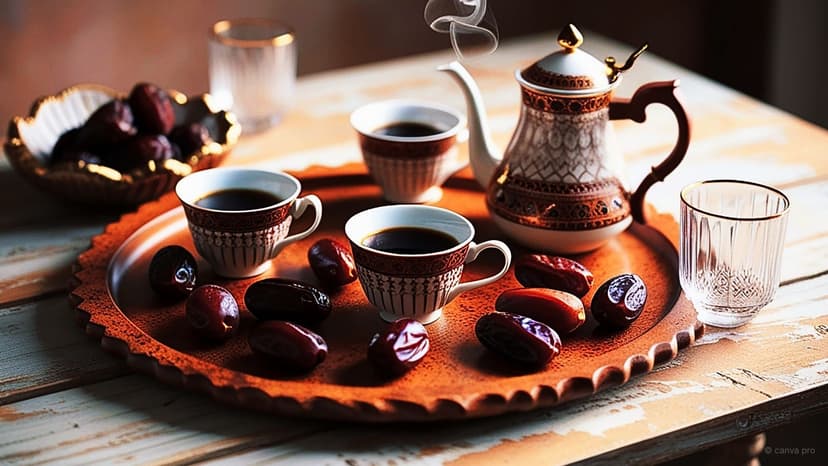
Few beverages contain as much in so little space as a properly pulled espresso. The drink arrives in a cup no larger than an egg cup, often consumed in two or three sips while standing at a counter, and yet it carries within it more than a century of engineering, an entire grammar of Italian daily life, and a set of technical demands rigorous enough to humble any professional barista. To call espresso simply concentrated coffee is to miss the point almost entirely. It is a distinct method of extraction, a different chemistry, a different sensory experience, and in many parts of the world a different social ritual altogether.
What makes espresso worth examining closely is precisely this density. The cup is small but the subject is enormous, touching on history, mechanics, agriculture, and culture in ways that reward attention. Understanding what espresso is and why it continues to inspire something close to religious devotion in certain corners of the world reveals one of the more compelling stories in the global beverage canon.
Espresso is far more than a concentrated form of coffee, it is a brewing philosophy that transformed café culture around the world. Developed in Italy during the early 20th century, espresso introduced speed, intensity, and precision into coffee preparation.
A Brief History of Pressure
Espresso is a comparatively young drink in the long timeline of coffee, which has been consumed in some form for more than five hundred years. The shift toward pressurized extraction began in northern Italy in the late nineteenth century, driven by a practical commercial problem. Cafés needed to serve coffee faster to keep up with workers who could not wait the long minutes required by traditional brewing methods. In 1884, Angelo Moriondo of Turin patented an early steam-driven machine designed to brew coffee quickly, though his invention never reached widespread production. The more consequential developments came in the early twentieth century, when Luigi Bezzera and Desiderio Pavoni refined the technology into machines capable of producing single servings on demand.
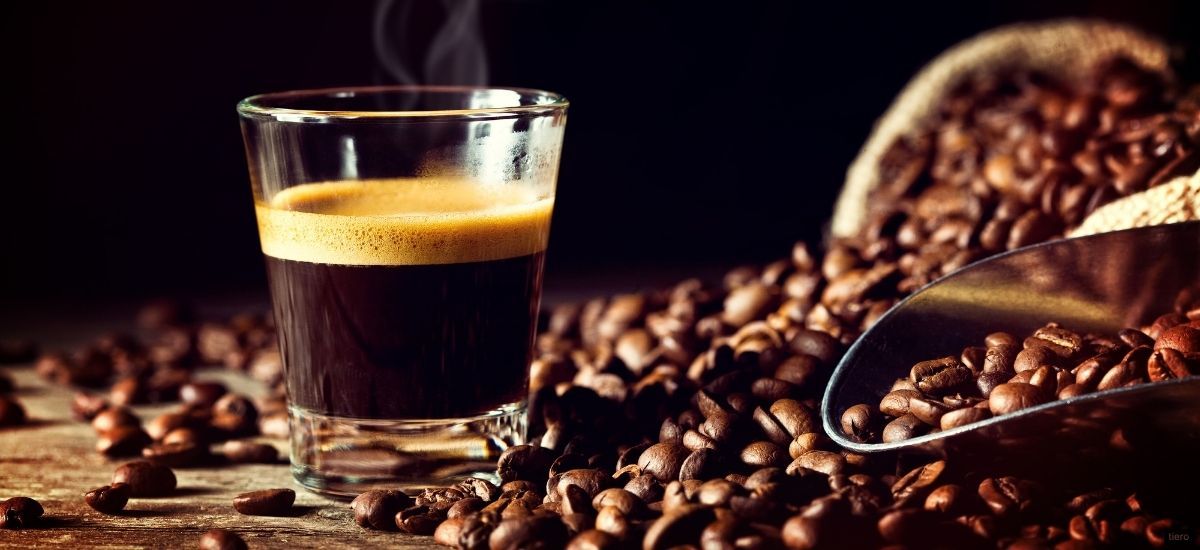
The modern espresso experience as most people recognize it today, complete with the golden crema that signals proper extraction, did not emerge until 1948. That year, Achille Gaggia introduced a lever-based machine that generated significantly higher pressure than its predecessors, producing the layered, aromatic shot that became the global template. The machine spread rapidly through Italian bars in the postwar decades, standardizing both the technique and the expectation of crema as a marker of quality. From that point forward, espresso was no longer simply fast coffee. It was a defined beverage with technical specifications, aesthetic expectations, and a distinct identity within Italian café culture.
What Actually Happens in the Cup
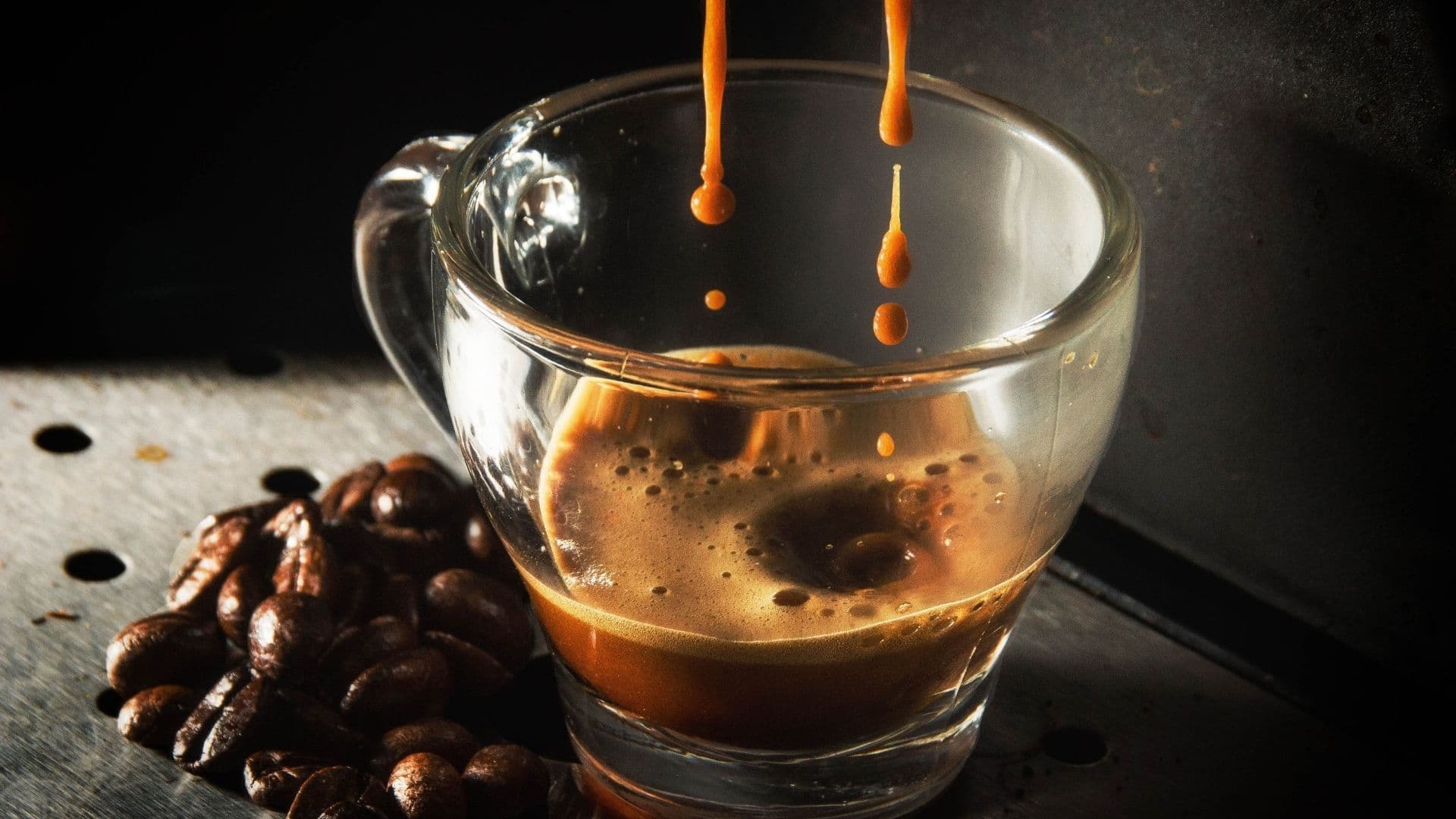
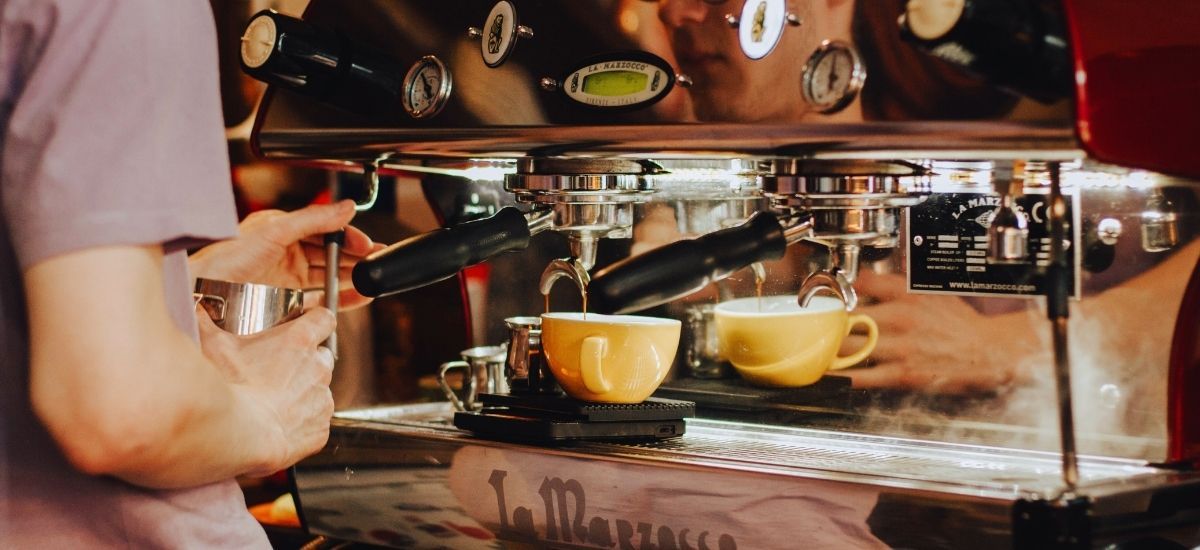
The mechanics of espresso production are deceptively precise. Properly pulled espresso requires approximately nine bars of pressure forcing water heated to roughly 93 degrees Celsius through a tightly packed bed of finely ground coffee, with the entire extraction completing in 25 to 30 seconds. Each variable matters enormously. The grind must be fine enough to create resistance but not so fine that water cannot pass through. The dose must be calibrated to the basket and the desired strength. The tamp must be even, and the water temperature must remain stable across the brief but intense extraction window.
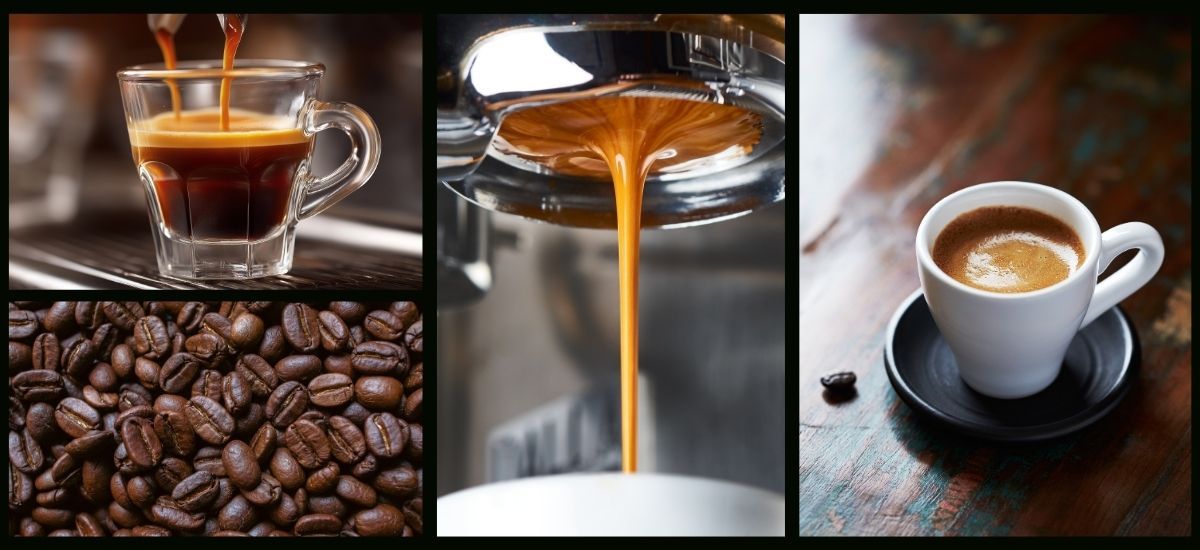
The result is a beverage chemically and sensorially distinct from drip coffee, pour-over, or French press. Espresso is more viscous, carrying suspended oils and dissolved solids that produce its characteristic body and the crema floating on top. It expresses flavor in concentrated bursts rather than gentle waves, revealing chocolate, caramel, citrus, nut, or fruit notes depending on the origin and roast of the bean. Where filtered coffee tends to highlight clarity and individual aromatic notes, espresso emphasizes texture, density, and the way flavors layer and resolve on the palate. Neither method is superior. They are different vehicles for the same agricultural product, each capable of remarkable expression when executed with care.
Roadside Excellence and the Italian Standard
Anyone who has traveled in Italy has likely encountered a phenomenon that genuinely surprises first-time visitors. The espresso served at an unassuming highway rest stop in Tuscany or a tiny bar in a Neapolitan side street is often better than the espresso served at acclaimed restaurants in major American cities. This is not mystique or nostalgia. It is a function of cultural standards, training, equipment, and frequency of use. Italian baristas pull hundreds of shots a day on well-maintained machines using freshly roasted beans, and the country's drinking public has developed a collective palate that simply will not tolerate bad coffee. A cup that falls short is sent back without ceremony.
Espresso occupies a particular place in Italian life that has no exact parallel elsewhere. It is consumed quickly at a counter, often multiple times a day, almost never sipped slowly while seated. The ritual is utilitarian and yet deeply social, a brief shared pause woven into the rhythm of work and conversation. In Naples, espresso reaches an even more intense expression, often shorter and more aromatic than its northern counterparts. Elsewhere in the world, espresso has been adapted and reinterpreted, with the third wave coffee movement in the United States and Australia producing exceptional examples that prioritize bean origin and brewing precision, expanding the conversation rather than displacing the original tradition.
The Takeaway
Espresso is a beverage that rewards both immediate enjoyment and patient study. In a single small cup, it contains the history of an Italian engineering tradition, the chemistry of pressurized extraction, the agricultural complexity of coffee itself, and the cultural fingerprints of every place where it has taken root. To drink it casually is perfectly acceptable. To drink it with attention, however, opens up a remarkable depth of experience, from the visual signature of a properly poured crema to the way the flavors evolve from the first sip to the last.
What makes espresso worth caring about, beyond its sensory pleasures, is the lesson it offers about quality and accessibility. The best espresso in the world is not necessarily found in the most expensive setting. It is found wherever serious attention is paid to fresh beans, well-tuned machines, and the trained hands of someone who has pulled enough shots to recognize when a cup is right. That this kind of excellence can exist at a roadside bar serving truck drivers in central Italy is not an accident. It is the natural result of a culture that has decided, collectively and across generations, that coffee deserves to be made well. There is something quietly inspiring in that decision, and something worth carrying back to whatever cup we hold next.
Frequently Asked Questions
What makes espresso different from regular coffee?
Espresso is brewed using pressure and finely ground coffee, resulting in a smaller, more concentrated beverage with greater intensity and texture than standard drip coffee.
Where did espresso originate?
Espresso originated in Italy in the early 1900s as inventors developed machines capable of brewing coffee quickly using steam and pressure.
What is crema and why is it important?
Crema is the foam layer on top of espresso created during extraction. It contributes texture and aroma and is often considered a sign of a properly pulled shot.
Why is espresso important in café culture?
Espresso became the foundation of modern cafés because it allows for fast preparation, consistent quality, and versatility across a range of coffee drinks.
What drinks are built from espresso?
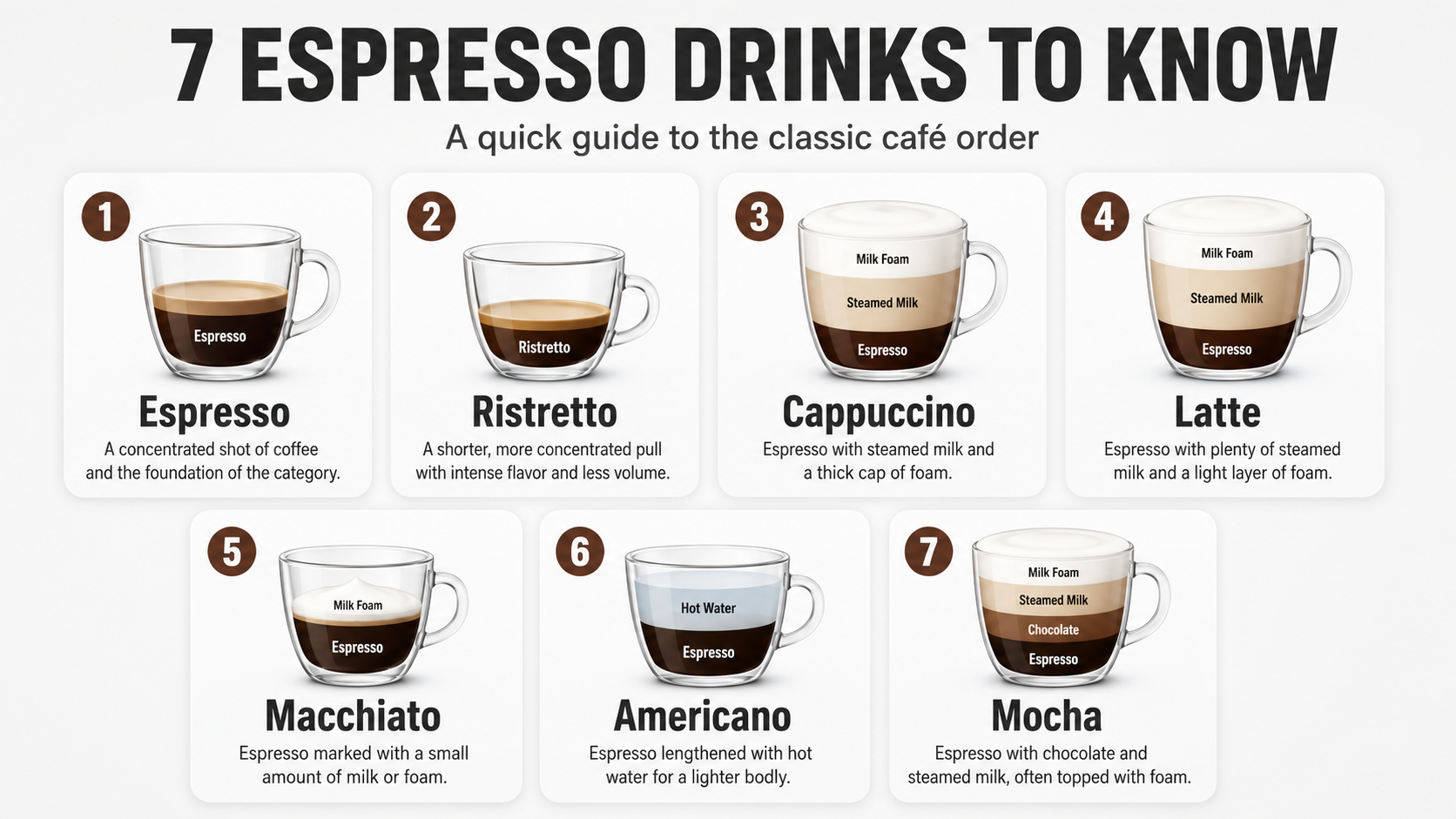
Popular espresso-based drinks include cappuccinos, lattes, macchiatos, cortados, and Americanos.
Does espresso have more caffeine than regular coffee?
Espresso has more caffeine per ounce, but a full cup of drip coffee often contains more total caffeine due to larger serving size.
Why do espresso shots sometimes taste bitter or sour?
Improper extraction can create imbalance. Under-extracted espresso may taste sour, while over-extracted espresso often becomes bitter and harsh.